.webp)

Plant Futures was one of the major landscape displays presented at the 2026 Melbourne International Flower and Garden Show. Created through a collaboration between Super Bloom, Heliotope Studio, Evergreen Infrastructure and Mood Construction, the display was designed as an immersive living laboratory exploring the future of plants in our built environments. Supported by the Native Plant Project, the Austem Foundation and the Australian Institute of Horticulture, Plant Futures demonstrated that climate-compatible planting does not need to come at the expense of colour, diversity or visual impact. The project brought together a broad range of professional skills and perspectives to create a garden that was not only visually engaging, but also started important conversations about the plants our cities will need in a changing climate.
Plant Futures brought together horticulture, design, construction and green infrastructure expertise to demonstrate how beautiful, diverse and climate-responsive landscapes can be created for our future cities.
A living laboratory for future urban landscapes
Plant Futures was developed around a simple but important question: what plants will continue to perform as our cities become hotter, drier and increasingly difficult growing environments?
Urban landscapes are already exposed to reflected heat, limited soil volumes, interrupted rainfall, wind, restricted root zones and competition for space. These conditions can be particularly demanding for plants, especially when landscapes are designed around appearance without enough consideration of how the planting will establish and perform over time.
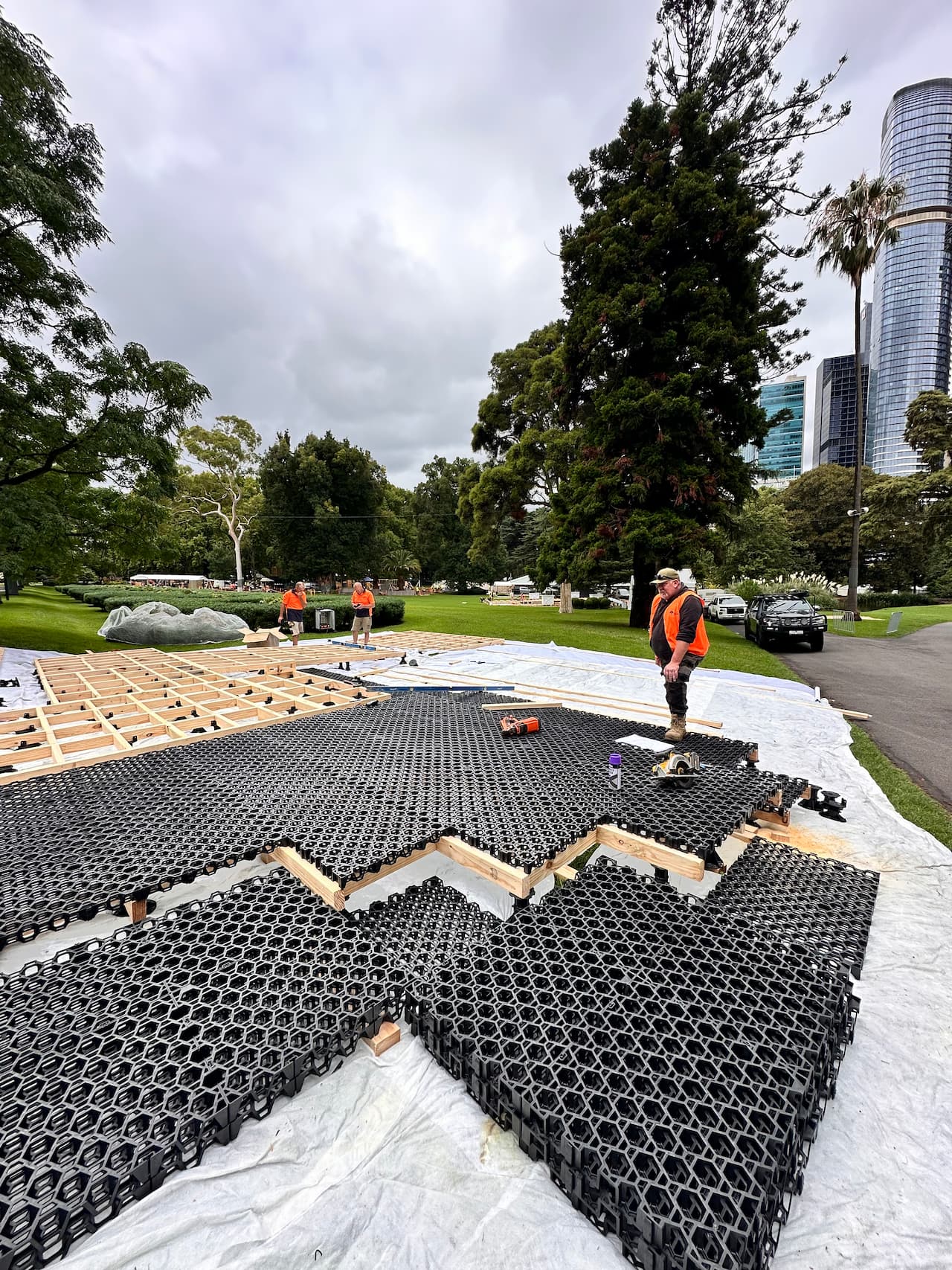
The display explored a broad palette of Australian native and exotic dry-climate plants selected for their ability to provide seasonal colour, texture, movement and habitat while responding to the environmental conditions expected in our future cities.
Rather than presenting climate-resilient planting as sparse or purely functional, Plant Futures showed that low-water and climate-forward landscapes can still be generous, immersive and beautiful.
Collaboration grows the future
The strength of Plant Futures came from the collaboration behind it.
Super Bloom brought an ambitious horticultural vision to the project, while Heliotope Studio helped shape the immersive design and visitor experience. Mood Construction provided the construction knowledge required to turn the concept into a physical display, and Evergreen Infrastructure contributed specialist knowledge in urban horticulture, plant performance and the integration of living systems into built environments.
This multidisciplinary approach reflects the way successful green infrastructure projects should be delivered. Landscape architects, horticulturists, architects, builders, engineers, environmental professionals and specialist consultants each bring different knowledge to a project.
When that expertise is brought together from the beginning, plants and living systems can become an integrated part of the design rather than something added after the major decisions have already been made.
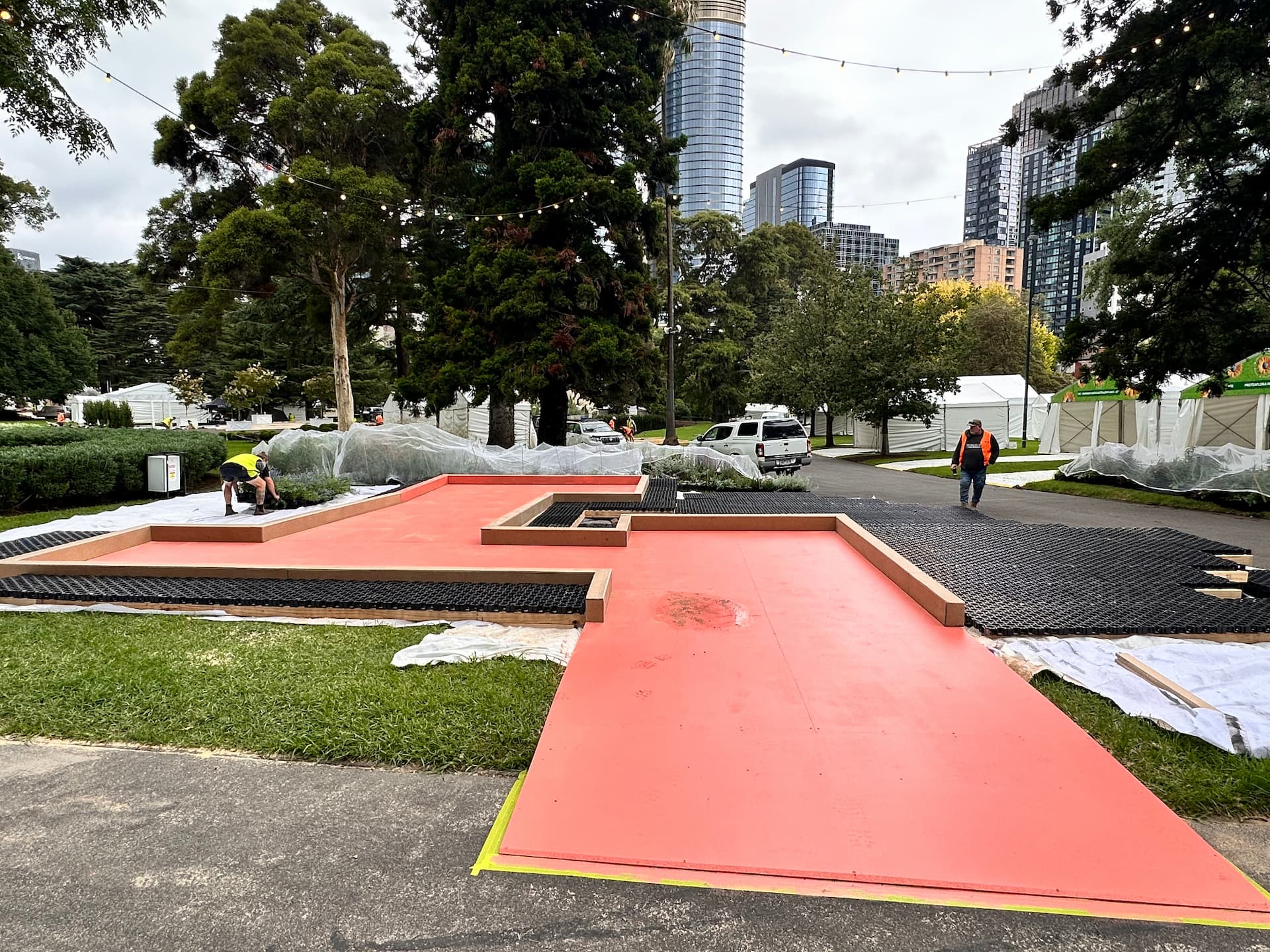
For Evergreen Infrastructure, Plant Futures represented the type of collaborative work we want to continue supporting. Our role is often to help connect the design vision with the horticultural, technical and long-term management requirements that determine whether a landscape will continue to perform.
Plant knowledge must remain central
As cities respond to climate change, biodiversity loss and increasing urban heat, there is growing interest in greener buildings and public spaces. However, successful urban greening depends on more than setting targets for canopy, carbon or green space coverage.
It requires a detailed understanding of plants.
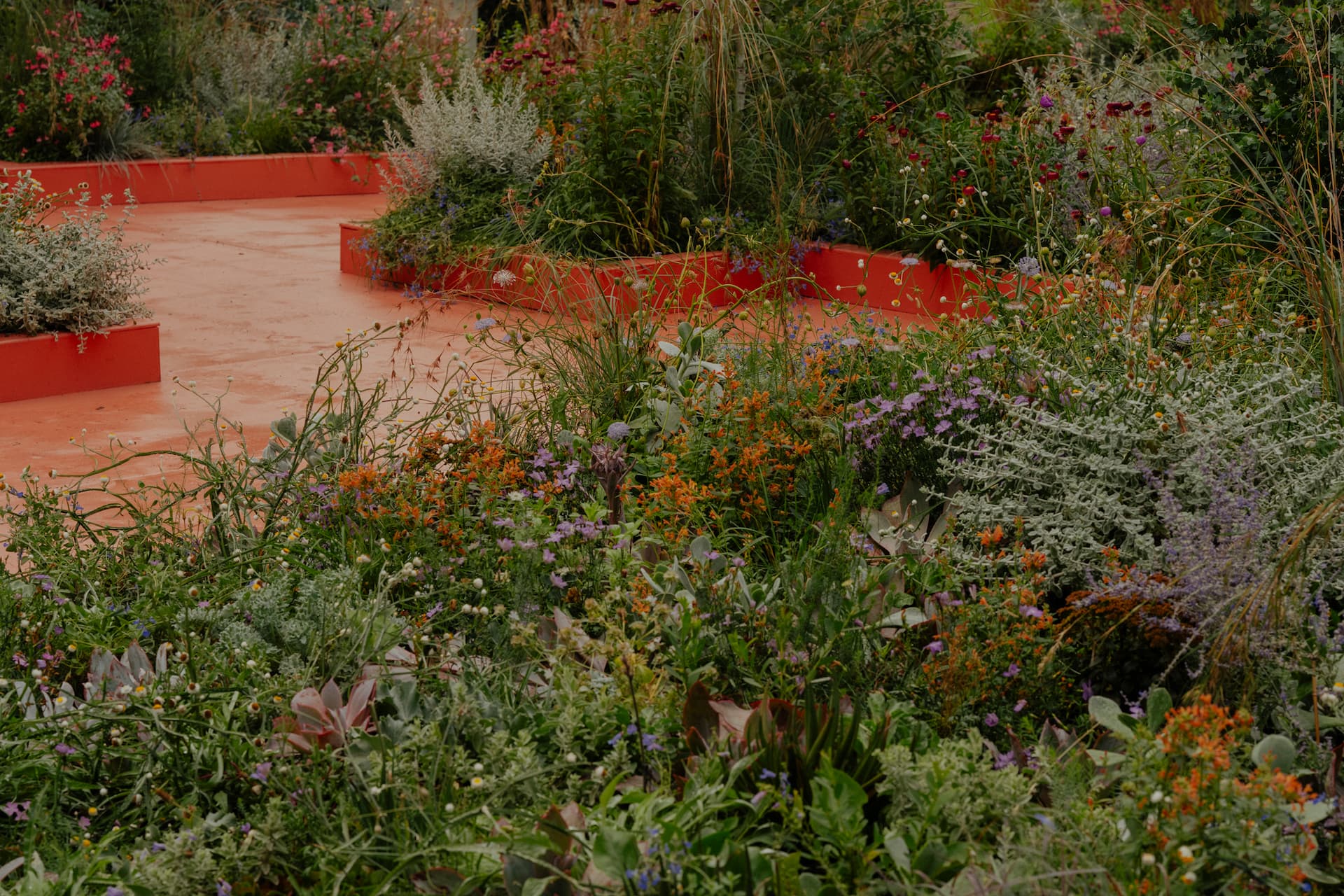
Plant selection must respond to local conditions, available soil depth, water requirements, growth habits, maintenance capacity and the ecological functions the landscape is expected to provide. A plant may be described as drought tolerant, but that does not automatically mean it will perform within every rooftop, streetscape or landscape-on-structure environment.
Plant Futures helped place horticultural knowledge at the centre of this conversation. It encouraged visitors to look beyond familiar plant palettes and consider how a wider range of species might contribute to more complex, resilient and visually engaging urban landscapes.
Taking the lessons beyond the show
Although Plant Futures was created as a temporary display, its purpose extended well beyond the Melbourne International Flower and Garden Show.
The project demonstrated what can be achieved when design, horticulture and construction are considered together. It also provided an opportunity to test ideas, observe public responses and encourage further discussion about the plants and professional knowledge needed to green our future cities.
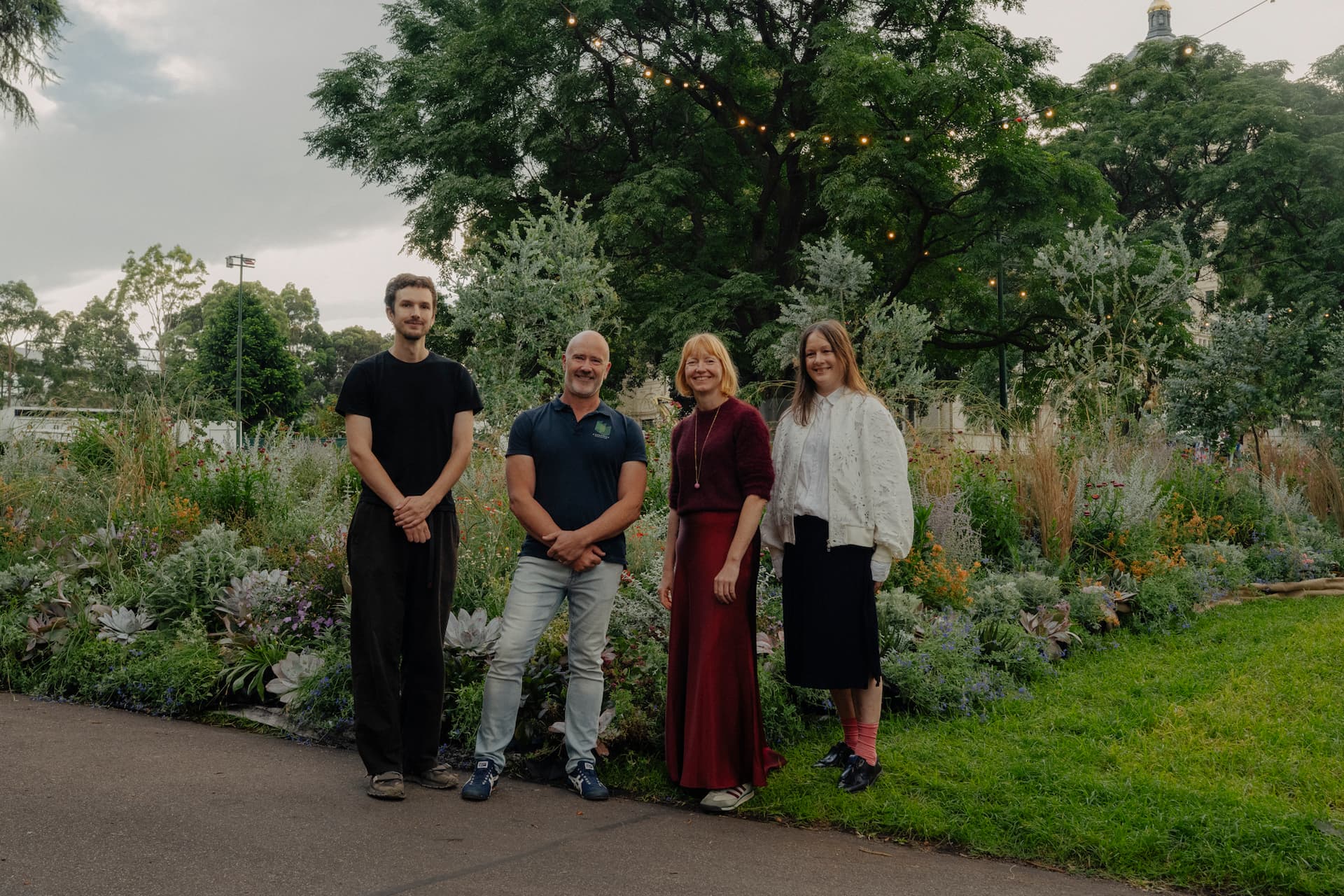
For Evergreen Infrastructure, the experience reinforced the importance of collaboration, experimentation and sharing knowledge across the industry.
Our cities will need landscapes that manage heat, use water carefully, support biodiversity and contribute positively to the daily experience of the people who live and work around them. Plant Futures showed that these landscapes can be practical and climate-responsive while still creating beauty, wonder and a strong connection with nature.
{{cta}}
We create green oases in urban settings
We'd love to discuss how we can partner to bring innovative, sustainable solutions to your urban environment.


