.webp)

Urban Farms
Turn rooftops, courtyards and verges into thriving food gardens — growing healthy produce and stronger communities.
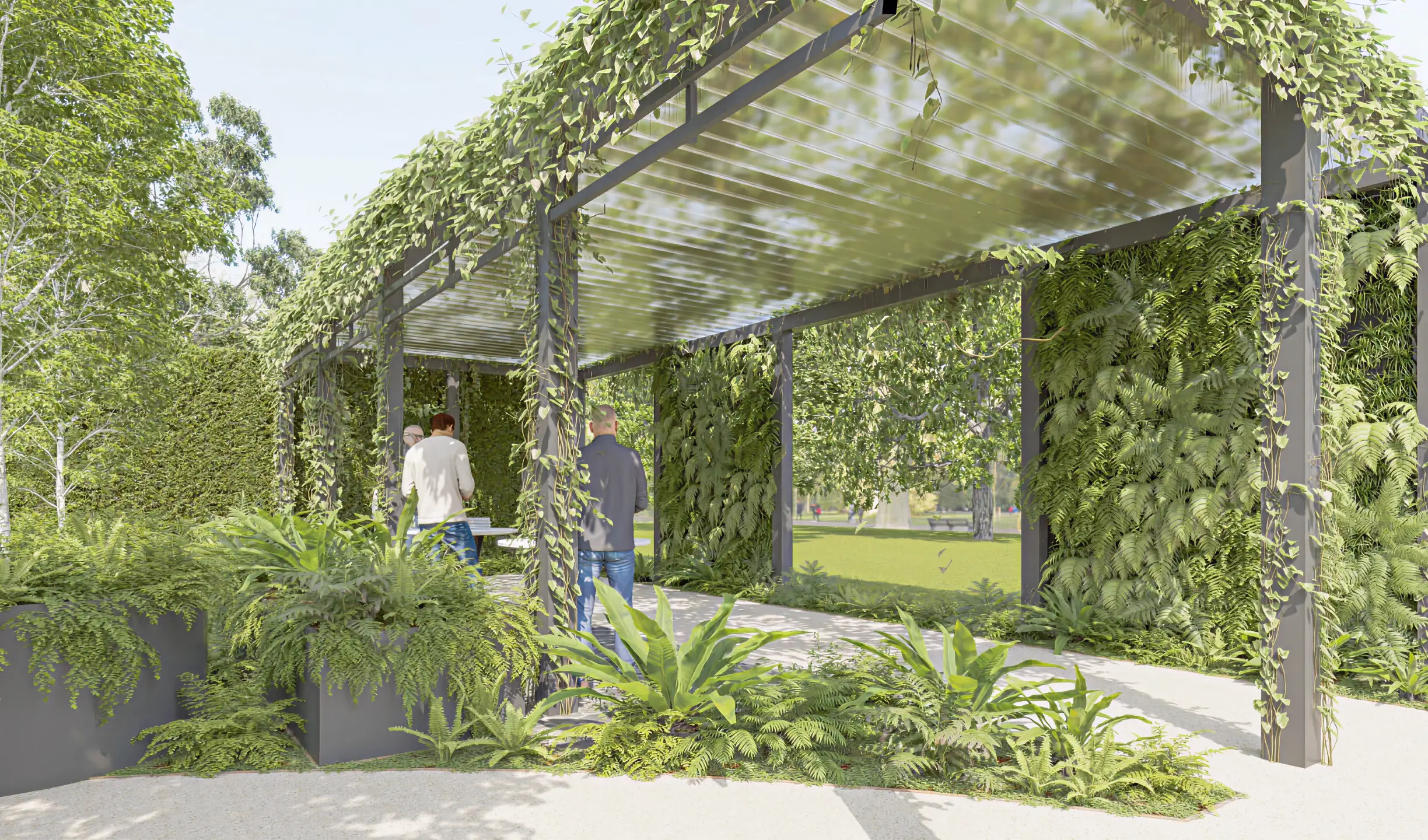
Urban farms aren’t just about food — they’re about people. They transform forgotten spaces into productive gardens that feed, educate and inspire. Whether it’s a school courtyard buzzing with students or a rooftop supplying a café below, every project is designed for both yield and community.
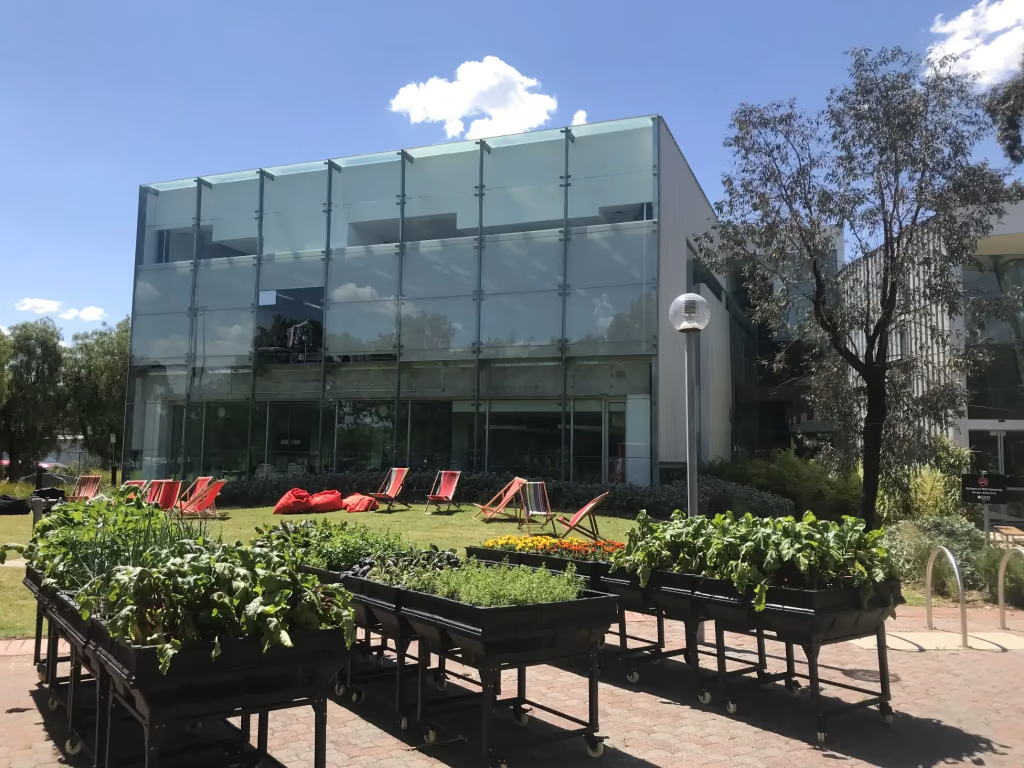
RMIT Dye Garden
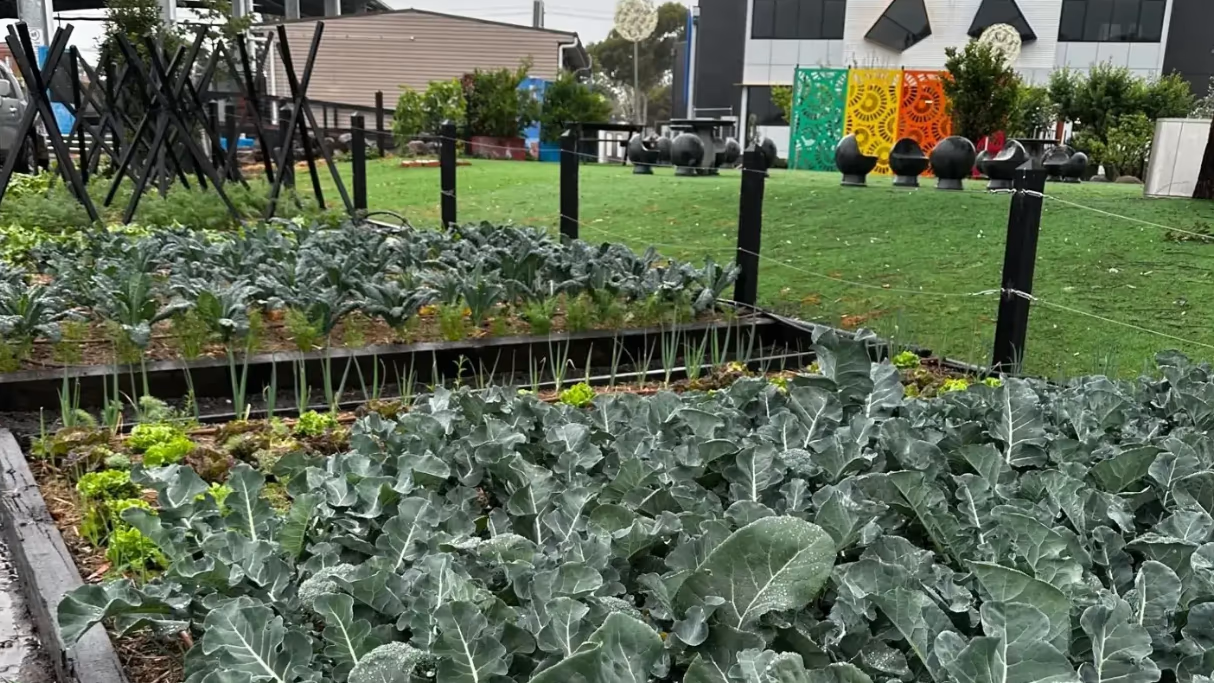
The client expressed a desire for a sustainable food producing garden that could grow plants used for traditional dyeing of clothing. This garden is located at the Brunswick Campus. The aim was to explore the potential of cultivating indigenous and exotic plants for materials and natural colours used in the colouring of clothing.

Why Urban Farms Work

Grow Food, Grow Community
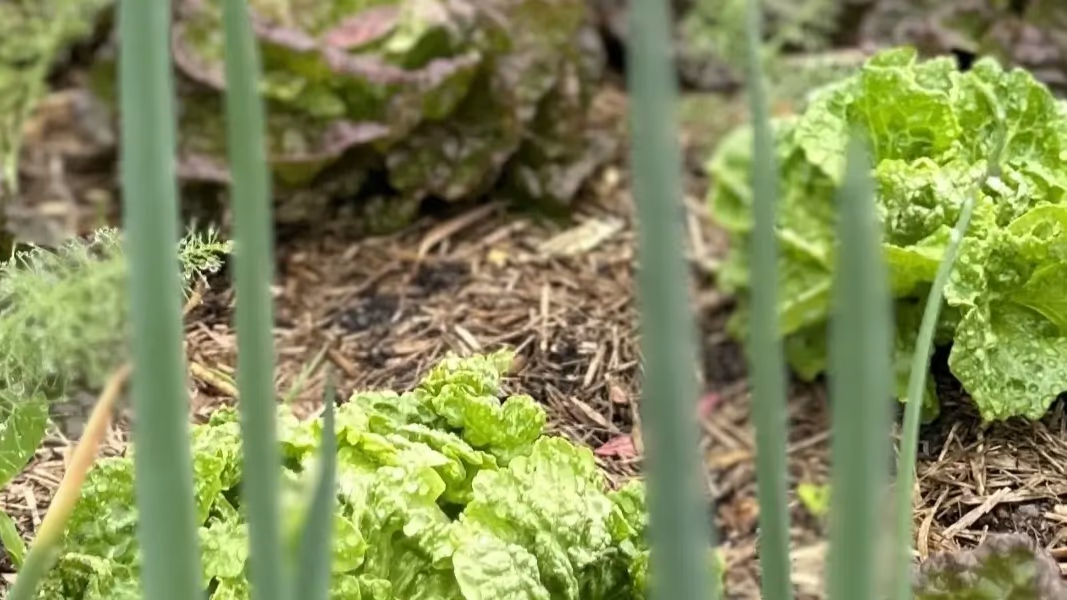
Hyperlocal and Sustainable Produce
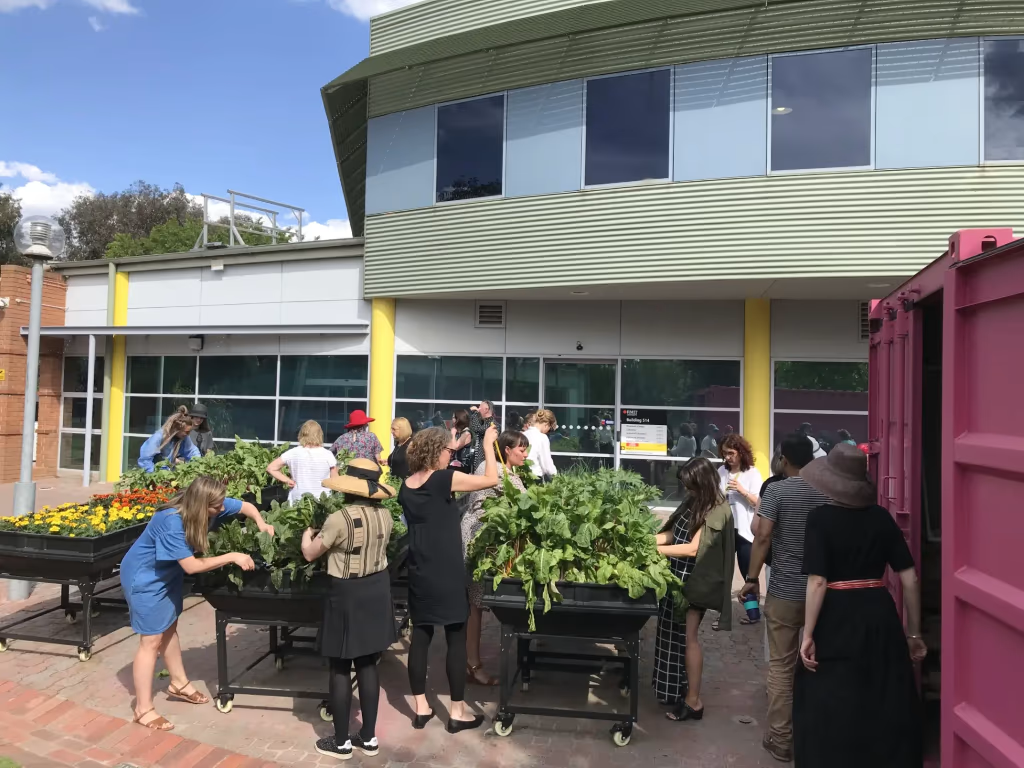
Transform Spaces, Transform Lives
Cultivate Business Opportunities
Designed for Productivity

Custom Farm Design
Raised beds, vertical systems, and layouts tailored to your site.

Integrated Water & Nutrients
Rainwater harvesting and compost systems for sustainable growing.

Crop Expertise
Vegetable, herb, and fruit varieties chosen for yield and climate.

Education & Support
Training and workshops for growers of all levels.

Ongoing Maintenance
Seasonal care and productivity checks.
All Urban Farm Projects


Got Questions?
How can urban farmers address challenges related to soil contamination in urban areas?
Urban farmers can address soil contamination challenges through various strategies:
- Implementing raised beds or container gardening with clean soil or soil amendments.
- Conducting soil testing to identify contaminants and implementing appropriate remediation measures.
- Utilising techniques such as hydroponics or aquaponics, which don't rely on soil, to grow crops.
- Engaging in soil remediation efforts, such as phytoremediation using plants that can absorb and detoxify contaminants.
- Collaborating with local environmental agencies or organisations to assess and address soil contamination issues.
Are there any challenges or limitations associated with urban farming?
Challenges and limitations associated with urban farming may include:
- Limited space and access to land
- Soil contamination in urban areas
- Zoning regulations and land use policies
- High start-up costs for infrastructure and equipment
- Potential for pest and disease problems in densely populated areas
What types of crops are typically grown in urban farms?
The types of crops grown in urban farms can vary depending on factors such as climate, space availability, and community preferences. However, common crops include leafy greens (lettuce, kale, spinach), herbs (basil, mint, cilantro), tomatoes, peppers, root vegetables (carrots, radishes), and fruits like strawberries.
How do urban farms operate within city environments?
Urban farms operate within city environments by making innovative use of available space. This can include rooftops, vacant lots, community gardens, vertical gardens, and even indoor spaces such as warehouses or shipping containers. Techniques like vertical farming and hydroponics allow for efficient use of space.
What are the benefits of urban farming?
The benefits of urban farming are numerous. They include:
- Increased access to fresh, locally grown produce
- Reduction of food miles and carbon emissions associated with transportation
- Utilisation of underutilised urban spaces, potentially reducing urban blight
- Promotion of community engagement and social cohesion
- Educational opportunities for individuals to learn about food production and sustainability
What is urban farming?
Urban farming refers to the practice of cultivating, processing, and distributing food in or around a city or urban area. It encompasses various techniques such as rooftop gardens, hydroponics, aquaponics, and community gardens.
Creating Green Oases in Urban Settings
We'd love to discuss how we can partner to bring innovative, sustainable solutions to your urban environment.