.webp)

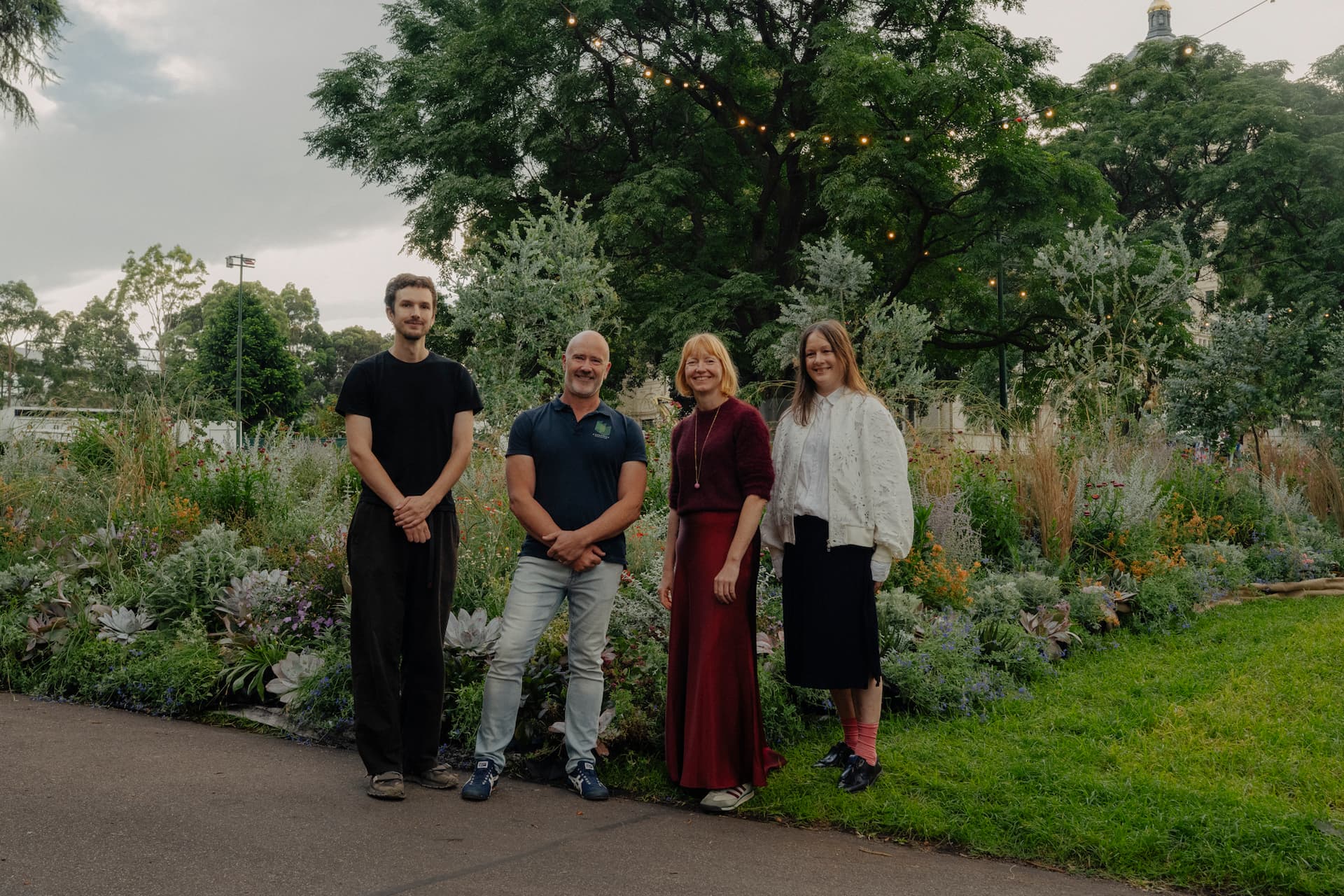
Evergreen Infrastructure Director Michael Casey attended the 2026 Singapore Garden Festival following an invitation from Singapore’s National Parks Board, NParks, alongside industry partners including the Landscape Industry Association of Singapore. The visit included the Singapore Garden Festival, major industry networking events and tours of established green spaces across the city. Michael was joined by Marnie Hawson from Business of Biodiversity, Imogen Pullar from Imogen Pullar Architecture and Erin Green from Nature’s Best Landscapes. Bringing colleagues from different professional backgrounds provided an opportunity to examine Singapore’s urban greening from several perspectives, including biodiversity, architecture, landscape delivery, horticulture and long-term management. The visit continued Evergreen Infrastructure’s long-standing relationship with Singapore and its urban green infrastructure sector while creating opportunities for future collaboration, shared learning and professional exchange.
Evergreen Infrastructure’s visit to the 2026 Singapore Garden Festival provided another valuable opportunity to strengthen our relationships with Singapore’s horticultural and landscape industries while sharing real-life examples of urban greening with Australian colleagues.
An international showcase of horticulture and design
The Singapore Garden Festival is a major international event that brings together landscape designers, horticulturists, floral designers, growers, contractors, suppliers and industry leaders.
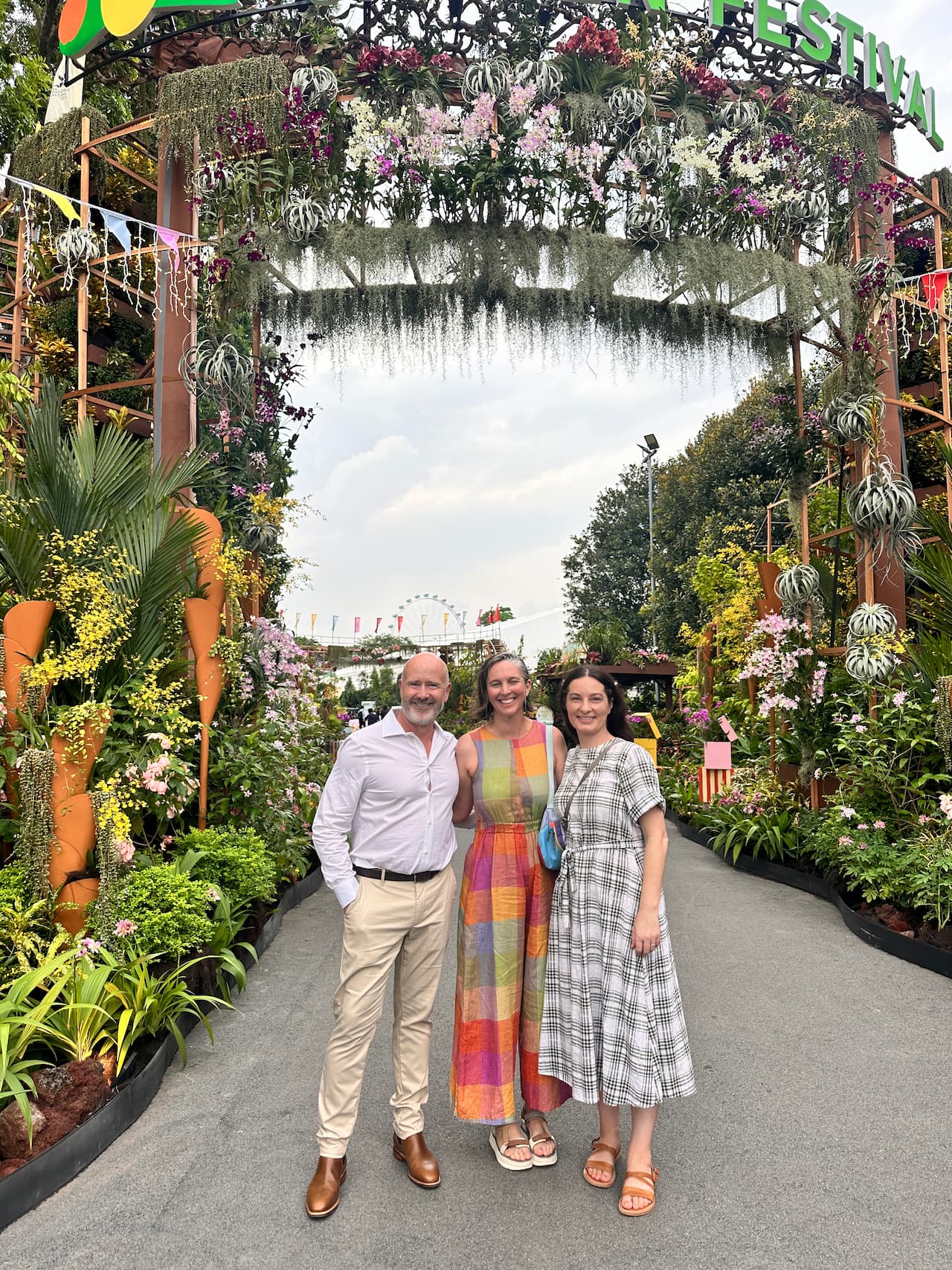
The 2026 event marked the festival’s tenth edition and included show gardens, landscape displays, floral installations and community-led exhibits. It provided an important platform for sharing ideas and demonstrating the level of creativity, knowledge and technical expertise within the international horticultural and landscape industries.
For Evergreen Infrastructure, attending the festival was not only about viewing completed displays. It was an opportunity to meet the people behind the projects, understand how ideas had been developed and discuss the systems, plants and professional collaborations required to deliver them.
These conversations are particularly valuable because green infrastructure cannot progress through individual disciplines working in isolation. It depends on strong relationships between government, industry, education, designers, horticulturists, contractors and the people responsible for managing living assets after completion.
Strengthening our relationship with Singapore
Evergreen Infrastructure has developed a strong relationship with Singapore’s horticultural and landscape sectors through previous visits, presentations, professional tours and industry exchanges.
The invitation from NParks and the opportunity to connect again with the Landscape Industry Association of Singapore allowed these relationships to continue developing.
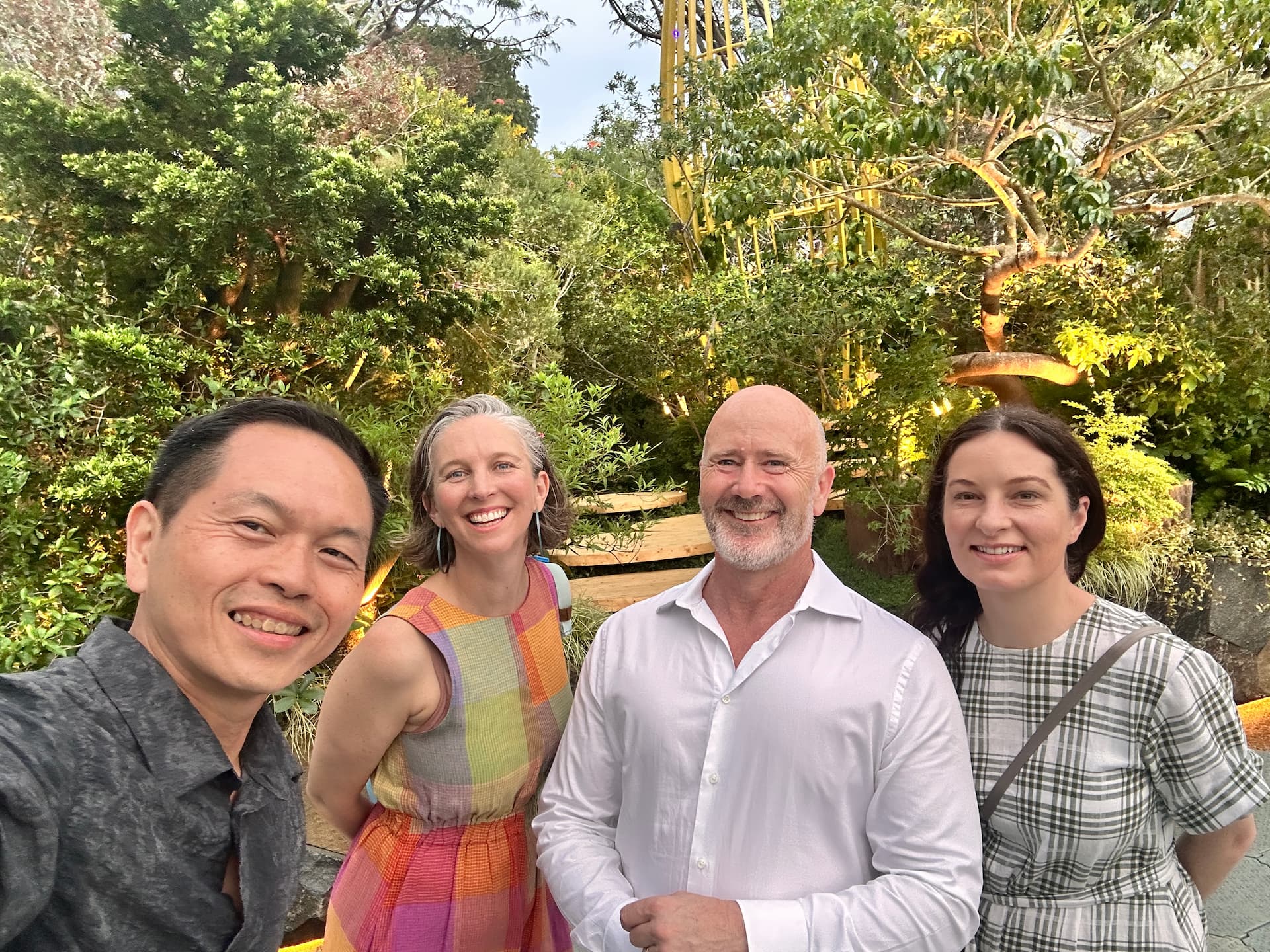
Singapore has made urban greening a visible and important part of how the city is planned, designed and experienced. Its parks, streetscapes, vertical landscapes, rooftop gardens and integrated planting provide valuable examples of what can be achieved when green infrastructure is supported over an extended period.
The city’s progress has not happened through one project or one organisation. It reflects decades of policy, planning, horticultural knowledge, research, investment, industry development and long-term landscape management.
Maintaining relationships with the people and organisations involved gives Evergreen Infrastructure the opportunity to exchange knowledge, learn from their experience and bring relevant lessons back into our Australian work.
Sharing real-life examples with Australian colleagues
One of the most important parts of the visit was the opportunity to introduce Marnie, Imogen and Erin to a variety of Singaporean green spaces.
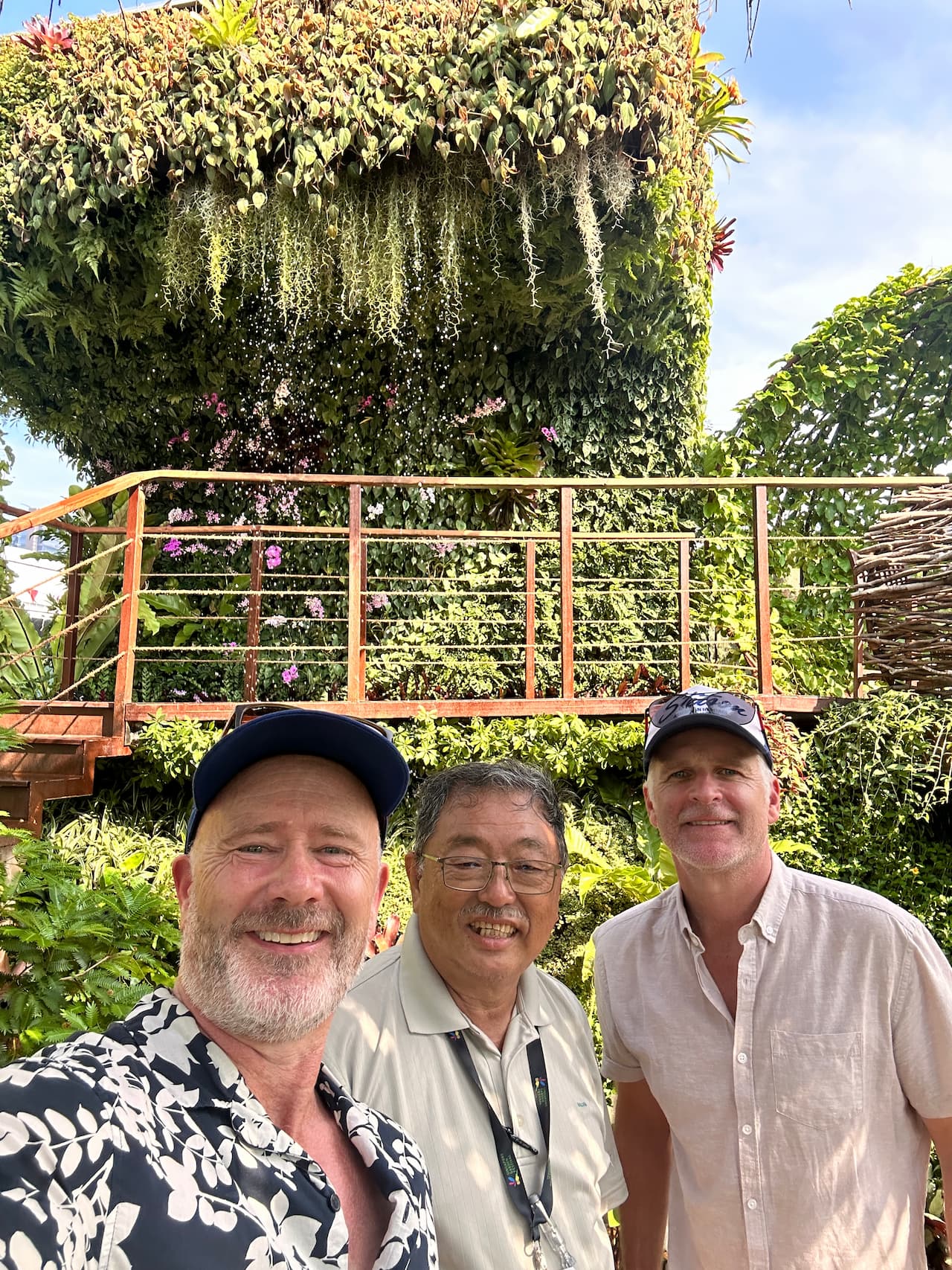
Each colleague brought a different professional perspective to the tour. This created broader conversations about how biodiversity, architecture, landscape construction, plant selection and maintenance can work together within a densely developed city.
Photographs and presentations can help explain a project, but they cannot fully communicate how a living landscape feels, performs and connects with its surrounding environment.
Visiting these spaces in person allowed us to examine planting density, shade, cooling, public use, construction interfaces and the way vegetation had matured over time. It also gave us the chance to discuss what appeared successful, what required ongoing management and which lessons could be applied within Australian cities.
As someone who regularly advocates for greater recognition of horticultural knowledge within urban development, I believe it is important to provide colleagues with access to real-life examples. Seeing established projects creates a much clearer understanding of what can be achieved and what is required to sustain it.
Learning from a city with a long-term greening vision
Singapore provides an important reference point because it has been implementing and managing urban greening over many years.
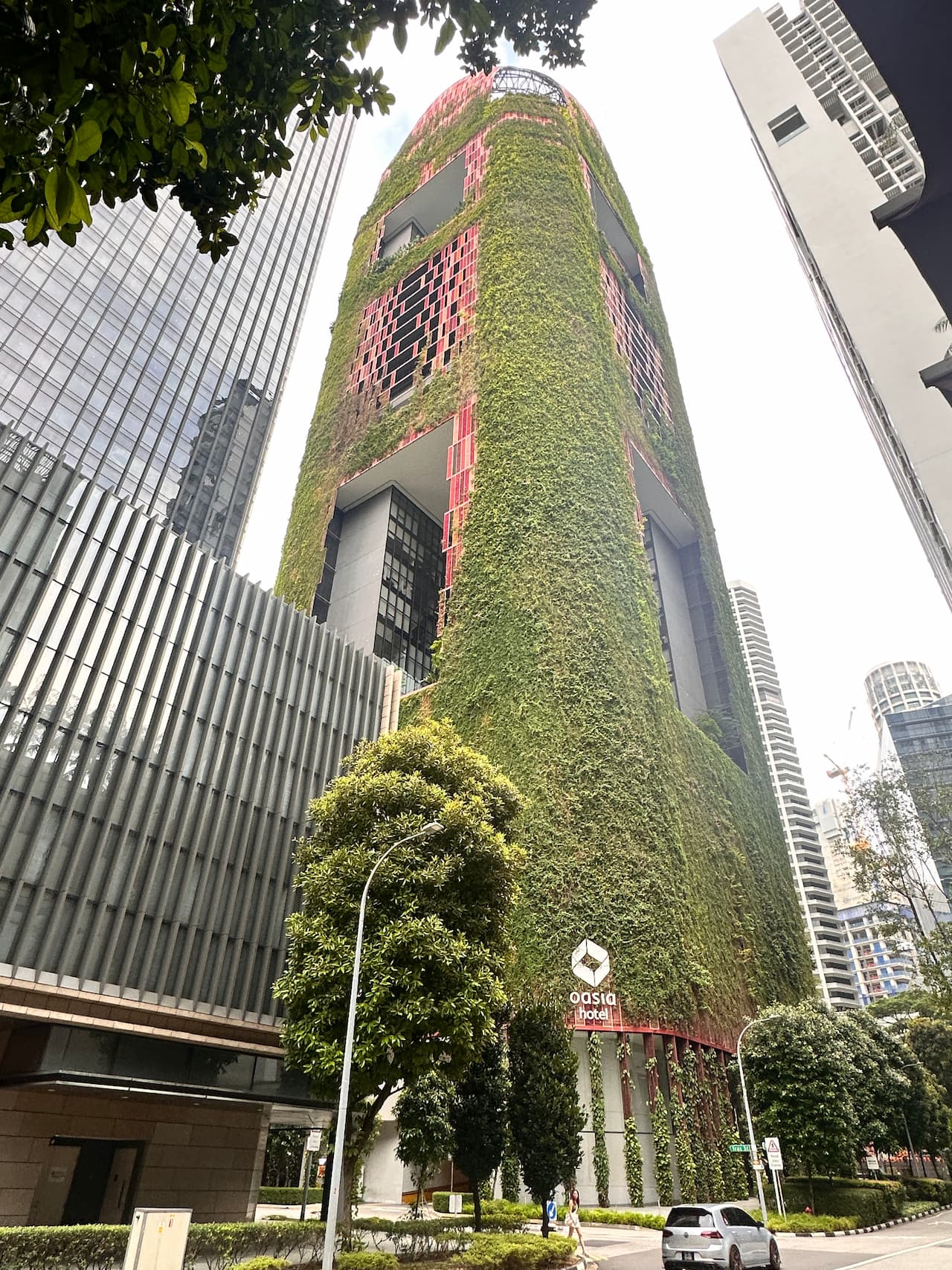
This does not mean every Singaporean solution can be directly transferred to Australia. The climate, planning systems, plant palettes and management structures are different. However, the city demonstrates the value of consistent leadership, long-term investment and a willingness to treat landscape as essential infrastructure.
The most valuable lessons are often not found in individual gardens. They are found in the relationships between policy, design, implementation, horticultural expertise and ongoing care.
For Australia, the challenge is to develop approaches that respond to our own climates, communities and built environments while learning from cities that have already made greening a central part of their urban identity.
Thanking our Singaporean industry partners
Evergreen Infrastructure extends its sincere thanks to NParks, the Landscape Industry Association of Singapore and the many horticultural, landscape and green infrastructure professionals who generously shared their time and knowledge during the visit.
Industry relationships are built through continued conversation, professional respect and a willingness to exchange ideas. These relationships help us understand how other cities are responding to urban heat, biodiversity loss, water management and the need for healthier places.
The 2026 Singapore Garden Festival tour was another important step in strengthening the connection between Evergreen Infrastructure and Singapore’s green infrastructure sector.
It also reinforced the value of bringing Australian professionals together to experience these projects firsthand. By sharing knowledge across countries and disciplines, we can continue improving the way green infrastructure is planned, designed, delivered and managed within our own cities.
{{cta}}
We create green oases in urban settings
We'd love to discuss how we can partner to bring innovative, sustainable solutions to your urban environment.