.webp)

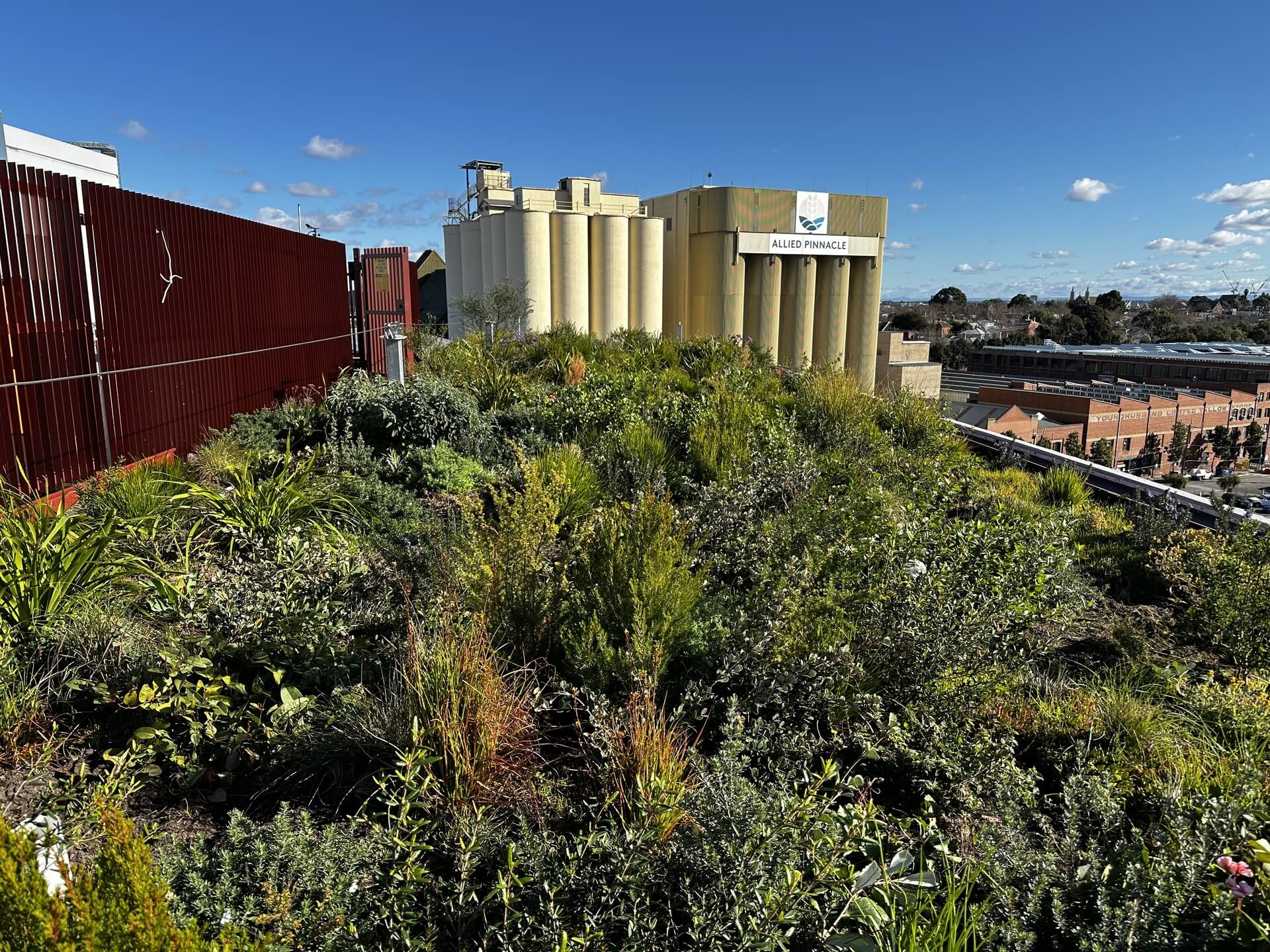
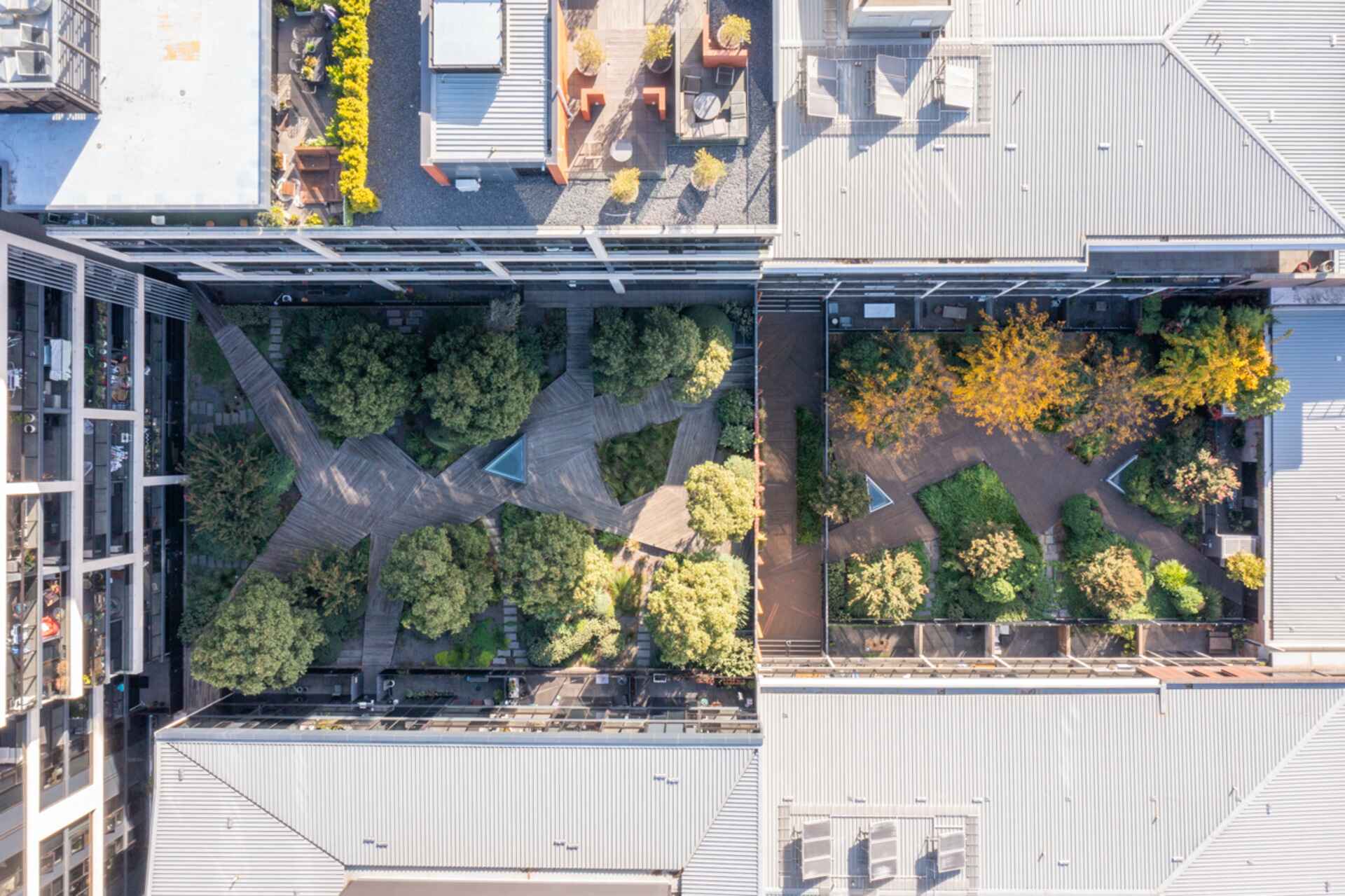
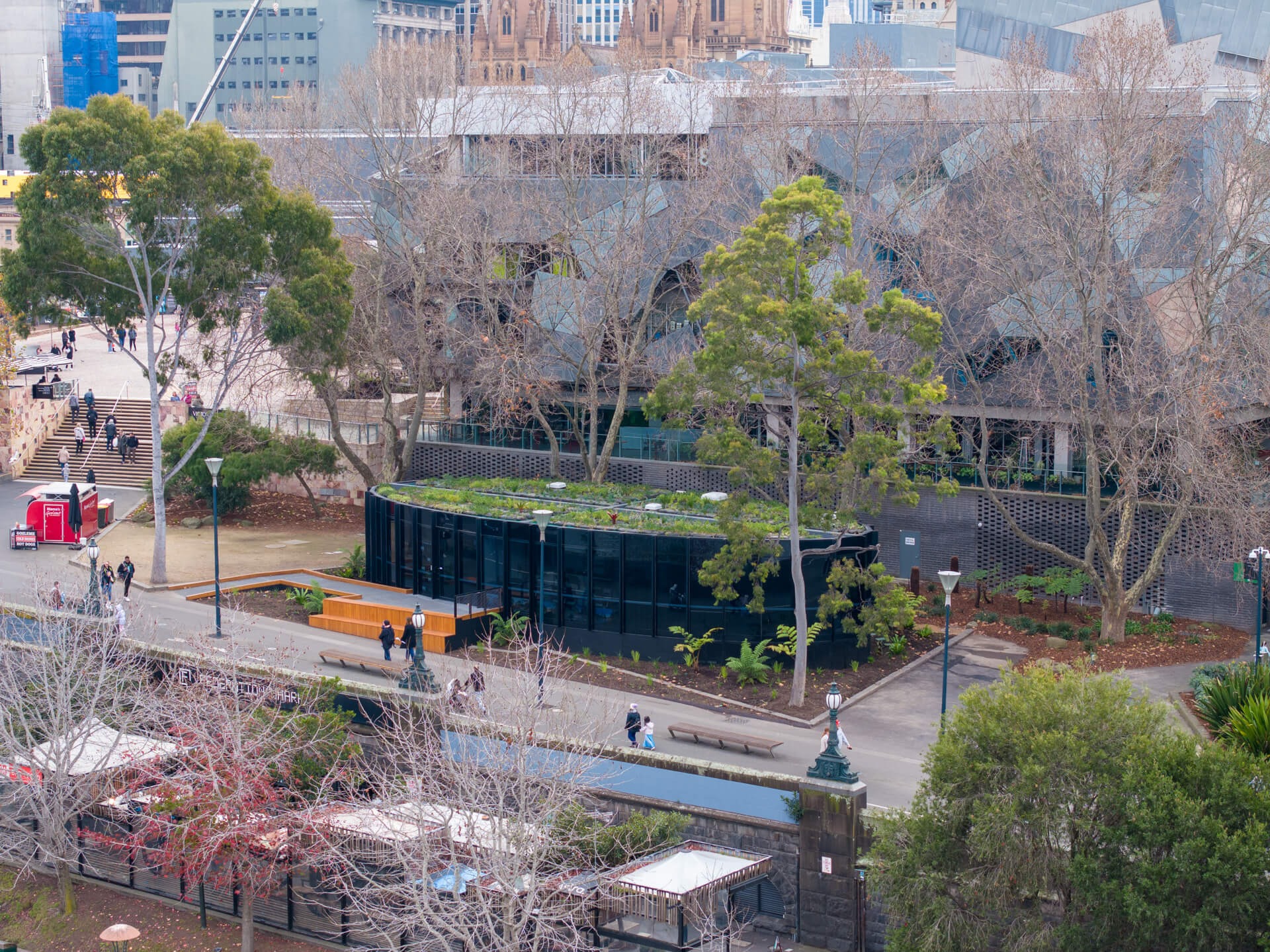
Biodiversity is the variety of life in genes, species, and ecosystems. It keeps water clean, climates stable, and food systems reliable. However, biodiversity is declining because of habitat loss, invasive species, and climate change. Designing for biodiversity, which includes installing rooftop gardens, is essential for the environment. Green roofs can support urban nature by creating small, biodiverse habitats for plants, insects, and birds.
Nature is not just scenery. It's a living network made of countless plants, animals, and microbes.
This living variety is called biodiversity. It shapes how ecosystems function, how they cope with stress, and how they support the community.
When biodiversity is strong, ecosystems are more resilient. When it declines, it results in fragile landscapes, the loss of species, and increased health risks.
Australia's diverse life forms are essential for our food, water, climate, and culture, both on land and at sea.
This article outlines the main types of biodiversity, how it works in cities, and what it tells us about ecosystem health.
We'll also talk about how modern solutions like green roofs can help support biodiversity, especially in dense urban areas.
Biodiversity - definition and importance
Biodiversity refers to the diversity of life on Earth and how that life interacts with one another. This includes diversity:
- Within species
- Between species
- Between ecosystems
In simple terms, biodiversity refers to the variety of life, from genes to species, to entire ecosystems.
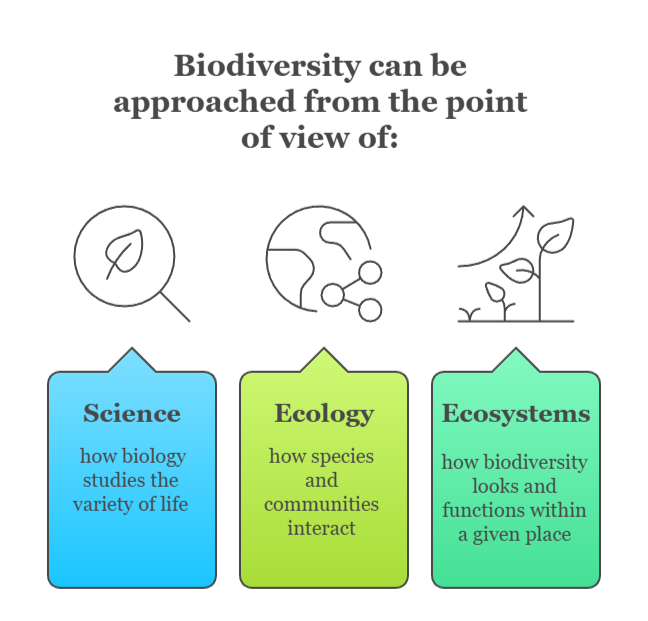
We can also talk about biodiversity in more specific ways, including:
- Science – how biology studies the variety of life
- Ecology – how species and communities interact
- Ecosystems – how biodiversity looks and functions within a given place
Biodiversity in biology
Biology and biodiversity are closely linked. Biology studies living things, and biodiversity describes how varied those living things are.
In biology, biodiversity focuses on life forms themselves. It looks at:
- How many species exist
- How different they are
- How they evolved and adapted over time
It also examines how species respond to pressures like climate, disease, and competition.
This view links biodiversity with genetics, evolution, and behaviour. It helps explain why some species can cope with rapid change, while others struggle or disappear.
For example, a plant species with many genetic strains may handle heatwaves better than a single, uniform strain.
Biodiversity in ecology
In ecology, biodiversity describes the variety within and between populations, communities, and ecosystems.
Ecological biodiversity asks questions like:
- How many species live in this forest?
- How do they interact, compete, and cooperate?
- How does the community change after disturbances?
This view pays close attention to food webs, energy flow, and ecological roles.
For example, ecologists study how pollinators, predators, and decomposers keep an ecosystem functioning. They also look at what happens when one group declines.
Biodiversity in ecosystems
When we talk about ecosystems and biodiversity, we focus on a specific place. That place might be a wetland, a coral reef, a grassland, or a city park.
We also look at:
- The species present
- Their genetic variation
- The range of habitats and micro-habitats
Together, these elements shape how the ecosystem behaves and responds to change.
A system with many plant species, rich soil life, and varied structure often recovers faster after a disturbance.
A simplified system built around one or two species may be more productive in the short term but less resilient.
Types and levels of biodiversity
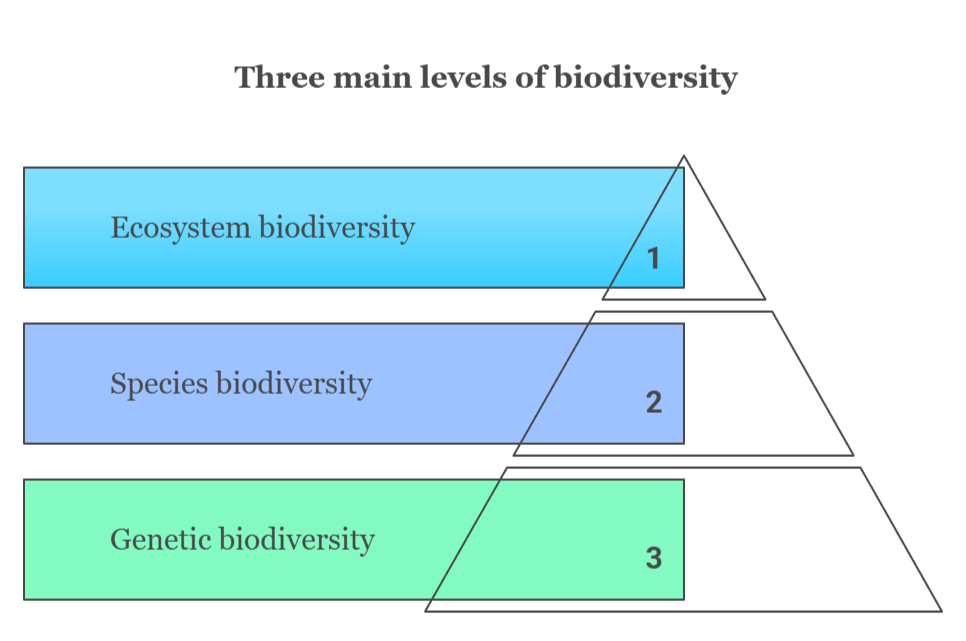
Scientists usually describe three main levels of biodiversity, including:
- Ecosystem biodiversity
- Species biodiversity
- Genetic biodiversity
Ecosystem biodiversity
Ecosystem biodiversity is the variety of ecosystems in a landscape or region.
For example, a region with reefs, mangroves, seagrass beds, and coastal forests has high ecosystem diversity.
In cities, parks, wetlands, street trees, and green roofs can all form part of this ecosystem mix.
Different ecosystems:
- Support diverse species
- Provide a variety of services
- Respond differently to disturbance
Ecosystem biodiversity matters most at larger scales. When many ecosystem types are present, the region is more likely to cope with fires, floods, and climate extremes.
If one ecosystem is damaged, others can still carry some of the load, which supports resilience for nature and communities.
Species biodiversity
Species biodiversity is the variety of species within a region or habitat. It considers both:
- Richness – how many species are present
- Evenness – how balanced their populations are
A forest with different types of trees, birds, insects, and fungi species is more diverse than a monoculture plantation.
Species biodiversity shapes food webs, pollination, and predator–prey dynamics.
In cities, species biodiversity can be increased through parks, street trees, and green roofs. Doing so also supports pollinators, birds, and other urban wildlife.
This helps connect ecosystems and biodiversity across the landscape, not just in remote natural areas.
Genetic biodiversity
Genetic biodiversity is the variety of genes within a species. No two individuals are exactly the same, even within one population.
High genetic biodiversity helps species:
- Cope with disease, new pests, and other stresses
- Adapt to climate shifts and changing seasons
- Recover after disturbances such as fire, flood, or storms
Low genetic biodiversity can mean a higher extinction risk. Small, isolated populations are especially vulnerable.
How does biodiversity work in cities?
Biodiversity in cities works through many small, linked habitats rather than one large, wild area.
Parks, street trees, gardens, wetlands, and green roofs all play a part. They're also known as green urban spaces.
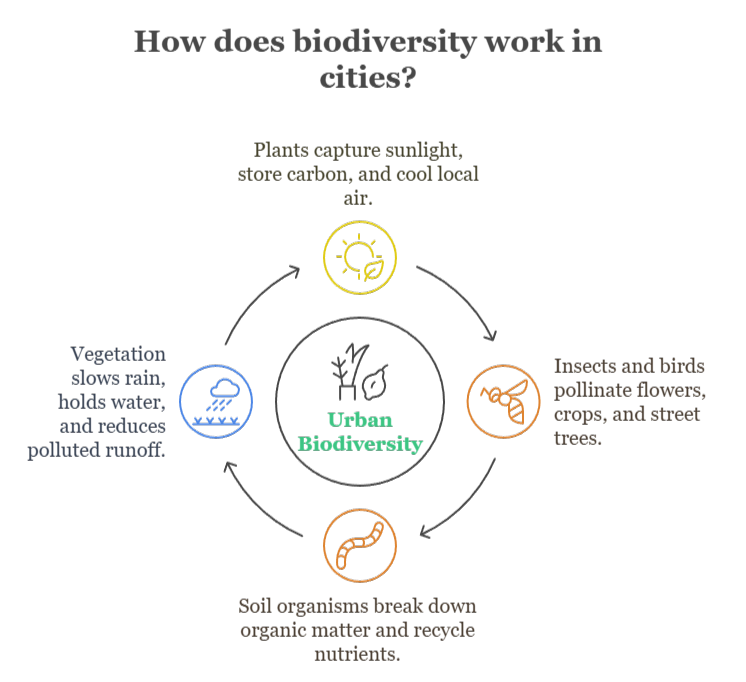
Each space supports a diverse range of plants, animals, fungi, and microbes. Together, they form urban ecosystems that move energy, water, and nutrients through the city.
This is how biodiversity in cities works:
- Plants capture sunlight, store carbon, and cool local air
- Insects and birds pollinate flowers, crops, and street trees
- Soil organisms break down organic matter and recycle nutrients
- Vegetation slows rain, holds water, and reduces polluted runoff
Many species perform similar roles. If one declines, others can help keep the system running. This built-in backup creates more stable, resilient urban ecosystems.
Green roofs show how this works on hard surfaces. They add growing media, plants, and structure to rooftops, while creating a rich habitat for various species.
Current trends and threats to biodiversity
Around the world, biodiversity faces pressure from:
- Habitat loss and fragmentation
- Overexploitation of species
- Climate change and ocean warming
- Pollution across air, land, and water
- Invasive species and diseases
Global assessments show that most biodiversity trends are negative. More species are moving closer to extinction each decade.
National reports find Australia's biodiversity is in poor and declining condition overall.
Key patterns include:
- Rising numbers of threatened species and ecosystems
- Ongoing habitat loss and degradation
- Worsening impacts of invasive species
Invasive plants and animals have cost Australia hundreds of billions of dollars. These costs include lost production, control efforts, and broader environmental damage.
Law, policy, and Indigenous stewardship
Australia is reforming its core environmental laws.
Reforms to the Environment Protection and Biodiversity Conservation Act, which passed Parliament in November 2025, introduce:
- National Environmental Standards
- Stronger regional planning
- A new independent regulator (Environment Protection Australia)
Their success will depend on how standards are set, funded, and enforced.
Indigenous protected areas and ranger programs now cover large parts of Australia. They combine cultural knowledge with modern science to support biodiversity and fire management.
Why biodiversity matters
Biodiversity matters for ecological, human, and global reasons. It underpins many things people rely on every day, often without noticing.
Ecological importance
Biodiversity keeps ecosystems working. It supports:
- Primary production and biomass
- Nutrient and water cycling
- Soil formation and stability
- Climate and local microclimate regulation
In a diverse ecosystem, many species share or overlap in their roles. If one species declines, others can often pick up some of the function.
This "ecological backup" helps ecosystems:
- Recover after fires, floods, or storms
- Cope with new pests, diseases, and stress
- Adjust as conditions gradually change
In cities, green spaces can reduce heat, retain water, and support pollinators. These same processes also support the surrounding greenery.
That's why healthy biodiversity is central to ecological resilience.
Human well-being and economies
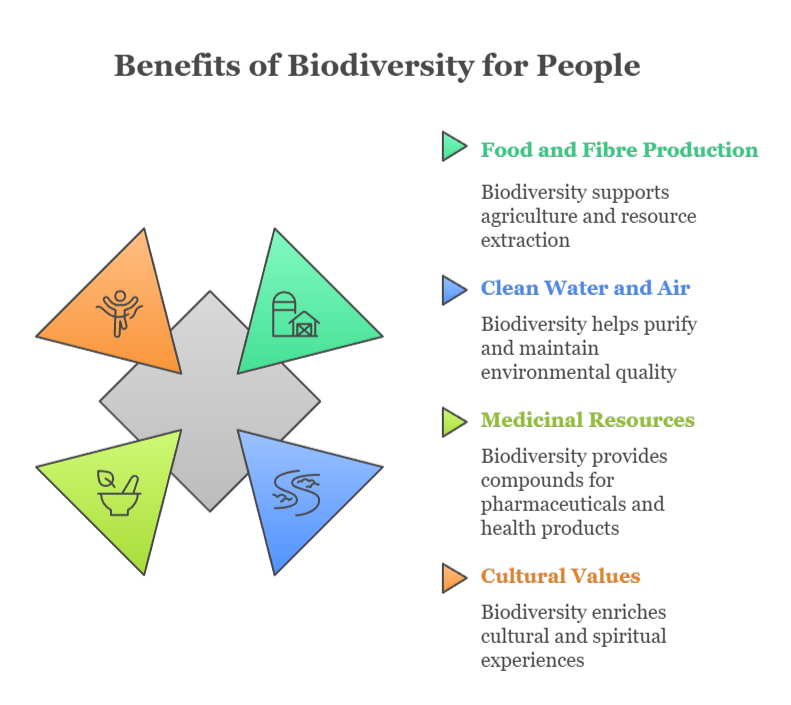
For people, biodiversity sits behind:
- Food and fibre production
- Clean water and breathable air
- Medicinal resources and new materials
- Cultural, spiritual, and recreational values
Many industries depend on stable ecosystems, including agriculture, forestry, tourism, and fisheries.
Economies perform better when ecosystems remain diverse. When biodiversity declines, long-term costs rise.
Governments, councils, and communities must then spend more on:
- Treating water
- Protecting coasts and infrastructure
- Restoring damaged landscapes
Designing with biodiversity in mind can reduce some of these future costs.
Global relevance and Australia's role
Globally, Earth faces a recognised biodiversity crisis. Species are disappearing far faster than natural background rates.
This loss affects climate regulation, food security, and social stability. It also erodes cultures and knowledge that are closely tied to land and sea.
Australia is one of the world's megadiverse countries, with a very high share of endemic species. Many plants and animals can be found here, and nowhere else.
That gives Australia both:
- Exceptional natural wealth,
- A special responsibility for conservation, careful land use, and climate action.
The choices we make about cities and land affect the health of the planet's ecosystems.
Biodiversity and green roofs in cities
Green roofs, also known as living roofs or rooftop gardens, transform unused roof space into a lush, planted habitat.
They usually include:
- A waterproofing layer
- Growing media
- A mix of plants, often native species
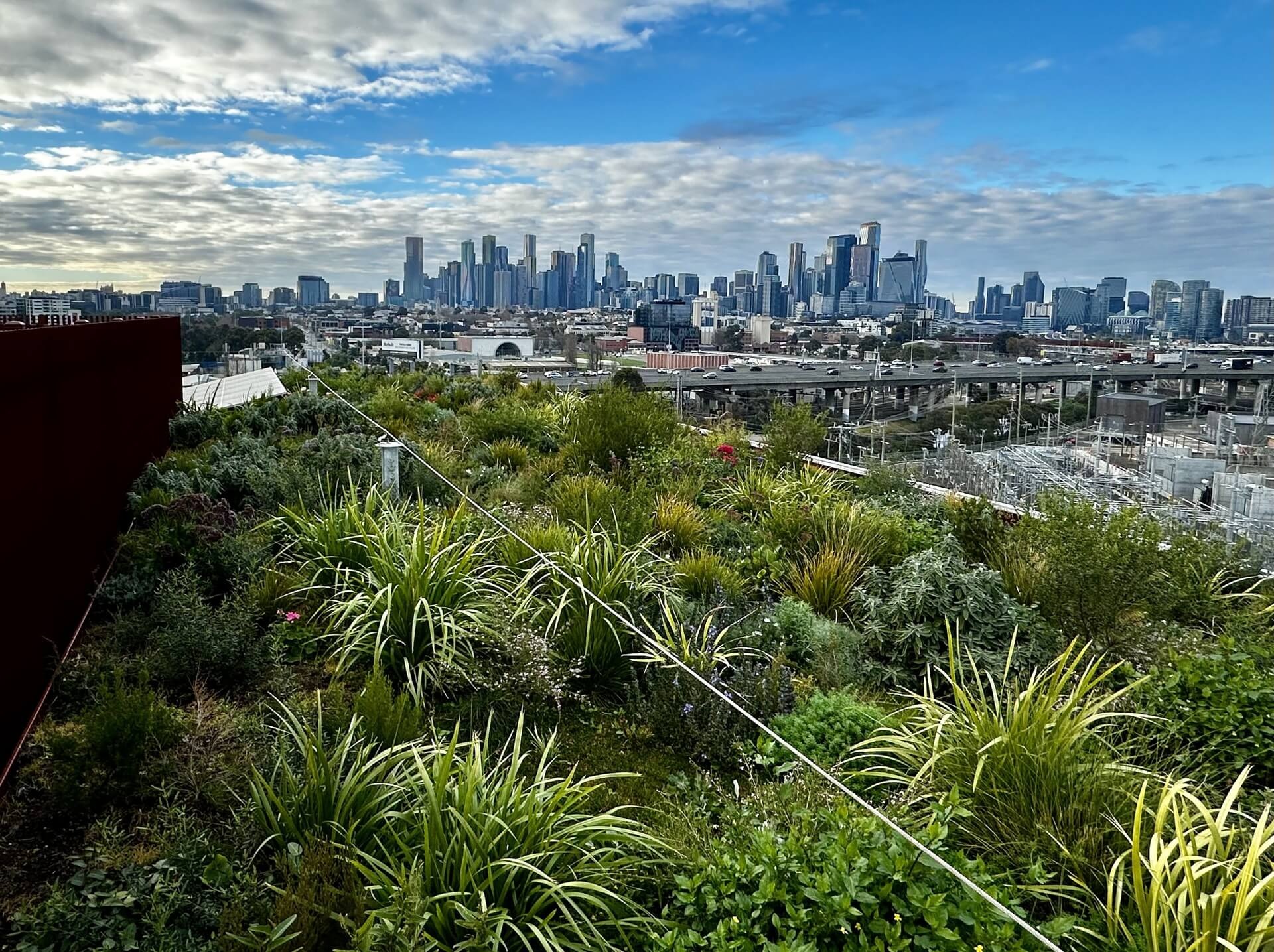
Green roofs create small but important urban ecosystems. They can host a range of plants, insects, spiders, and even birds.
Key biodiversity benefits include:
- A habitat for pollinators, such as bees and butterflies
- Foraging and resting sites for birds
- Microhabitats for invertebrates and soil organisms
- Extra stepping stones between parks, streetscapes, and remnant habitats
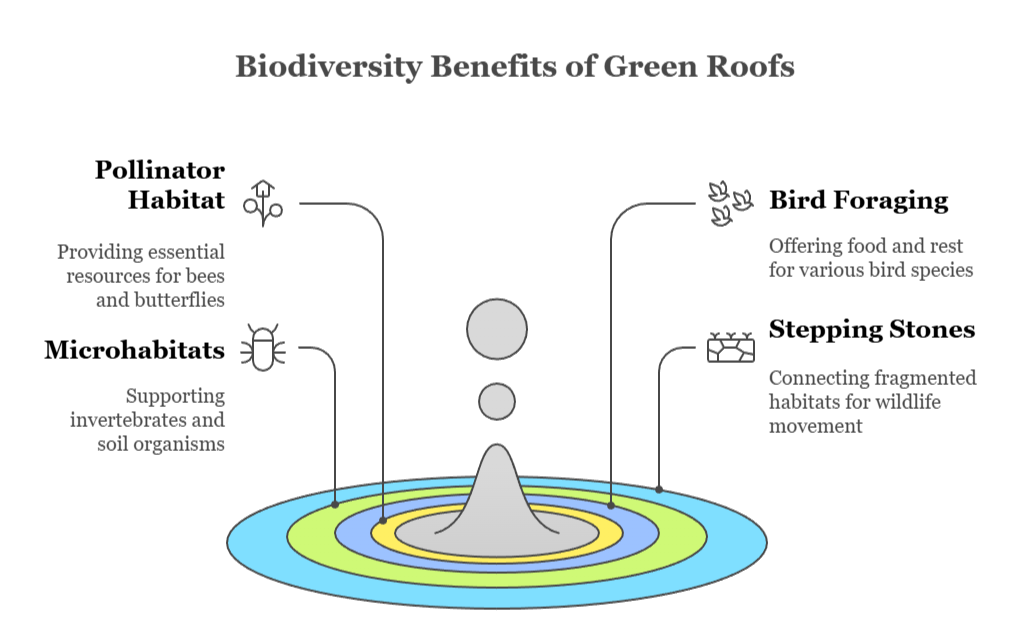
Diverse planting on green roofs supports more species and improves resilience to heat, drought, and other stress.
Biodiverse green roofs also provide broader ecosystem services. They can:
- Help cool buildings and reduce the urban heat island effect
- Capture rainwater and slow stormwater runoff
- Filter some air pollutants and support better local air quality
- Improve visual amenities and access to nature in dense areas
These services support both urban biodiversity and human well-being.
Bringing biodiversity into city design with Evergreen Infrastructure
Biodiversity is the living variety that keeps ecosystems functioning, cities livable, and economies resilient.
Today, biodiversity is under pressure from habitat loss, invasive species, pollution, and climate change.
The good news is that many solutions already exist. Protecting and restoring habitats and designing with nature all help rebuild ecological resilience.
In cities, green spaces can help create connected, biodiverse ecosystems.
If you are planning a new building or upgrading an existing one, consider how the roof could support biodiversity and cooler, healthier spaces.
Evergreen Infrastructure designs green roofs that support urban nature and deliver long-term performance.
Talk to our team about options today. We can help you turn unused roof space into living infrastructure that benefits both people and biodiversity.
We create green oases in urban settings
We'd love to discuss how we can partner to bring innovative, sustainable solutions to your urban environment.