.webp)

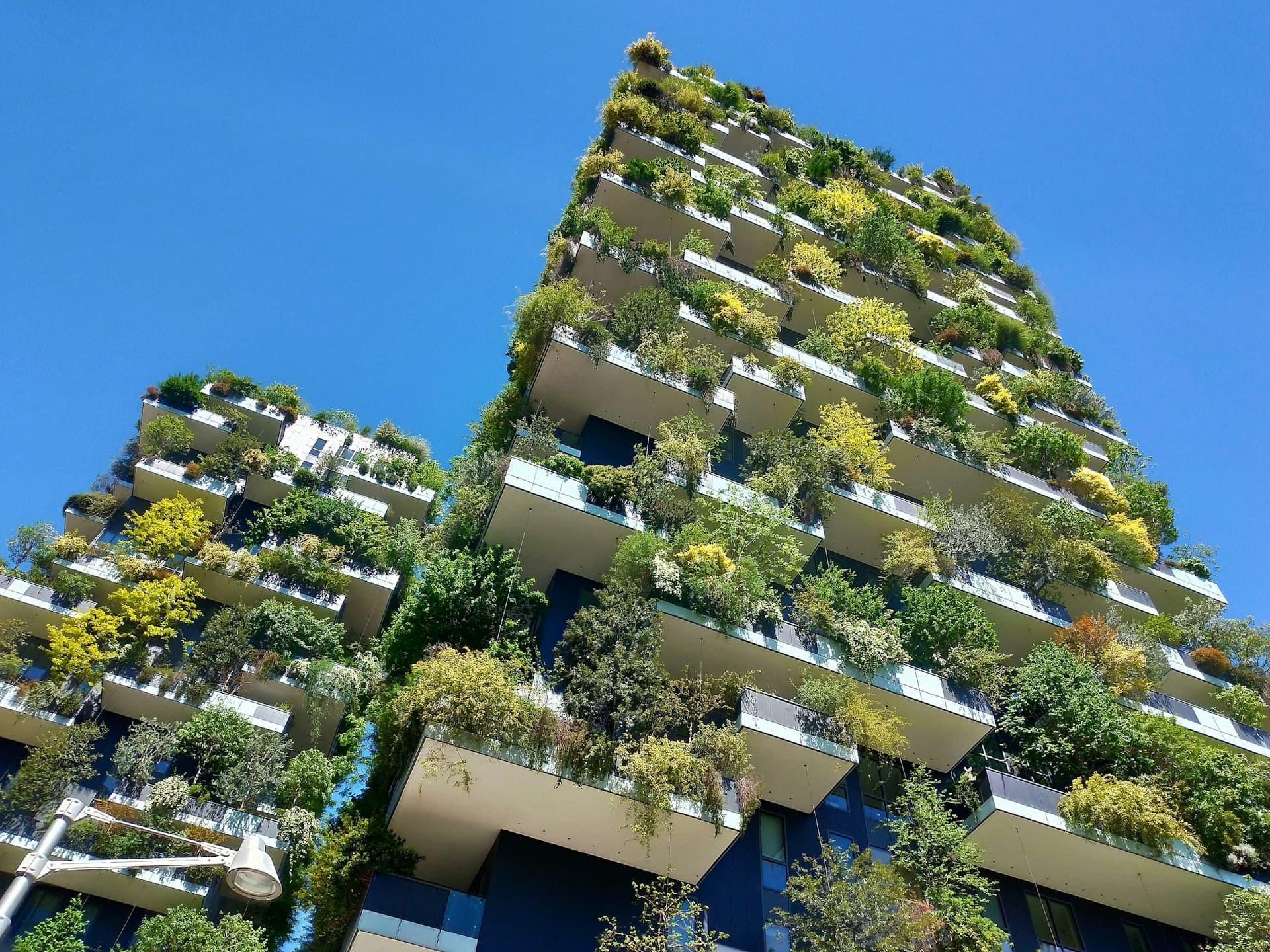
Bosco Verticale carries roughly 10,000 square metres of planting across 40% of its vertical surface. That greenery cuts interior summer temperatures by nearly 3°C and annual energy use by about 7.5%. The terraces required structural reinforcement built into the design from the start. Milan mapped 32 million square metres of roof and funded retrofits through grants. It also committed to planting 3 million new trees by 2030, tying it to a plan targeting a 45% emissions cut. Melbourne and Sydney have comparable mapped potential and far less built. What Australian practitioners can take from Milan is procedural rather than horticultural. This includes quantified policy targets, monitoring written into contracts before installation, and maintenance priced at the outset.
Milan is one of the world's most referenced cities for green building. Its Bosco Verticale towers and Forestami urban forestry program show ambitious nature-based thinking. The city's Air and Climate Plan proves these solutions work at any scale, from a single building to an entire green network.
Milan is not a blueprint to copy. It shows what's possible when smart design, municipal policy, and long-term monitoring work together. It's also a useful reference point for advancing green roofs, green walls, and urban forests in Australian cities.
What is Bosco Verticale?
Bosco Verticale refers to two residential skyscrapers in Milan's Porta Nuova district. It's Italian for "Vertical Forest." This green building in Milan was completed in 2014 and designed by Boeri Studio (now Stefano Boeri Architetti).
The two towers stand 110 and 76 metres tall and together host:
- 800 trees
- 4,500 shrubs
- 15,000–20,000 plants from about 100 different species
Each apartment hosts at least two trees, eight shrubs, and 40 plants per resident, distributed according to façade sun exposure.
The combined green façade coverage across both towers is approximately 10,142 square metres. It covers about 40% of the total vertical surface area, according to the 2015 CTBUH research report by Giacomello. It's equal to about five hectares of parkland, concentrated on a building footprint of approximately 1,000 square metres.
Bosco Verticale sits within Porta Nuova, a 30-hectare urban regeneration district in central Milan. In 2022, Porta Nuova became the first neighbourhood in the world to receive both:
- The LEED for Cities and Communities Gold certification
- The WELL Community Standard Gold certification
This recognised its social, environmental, and economic sustainability.
What are the performance benefits of Milan's green building and vertical gardens?
Milan's green building projects deliver measurable thermal, energy, and biodiversity outcomes. Their impact at city scale depends on widespread adoption, not on individual towers alone.
According to the World Green Building Council, the green façade at Bosco Verticale cuts summer interior temperatures by nearly 3°C.
A CTBUH study by Giacomello and Valagussa puts the reduction in annual energy consumption at roughly 7.5%. They arrived at this figure by monitoring the façades and then modelling a reference floor with and without vegetation.
Bosco Verticale's design supports an estimated 1,600 specimens of birds and butterflies. It creates a vertical urban ecosystem within the building envelope. The vegetation:
- Absorbs particulate matter
- Sequesters carbon
- Produces oxygen
Altogether, it provides air quality benefits at the building scale.
What is Milan's policy framework for green building?
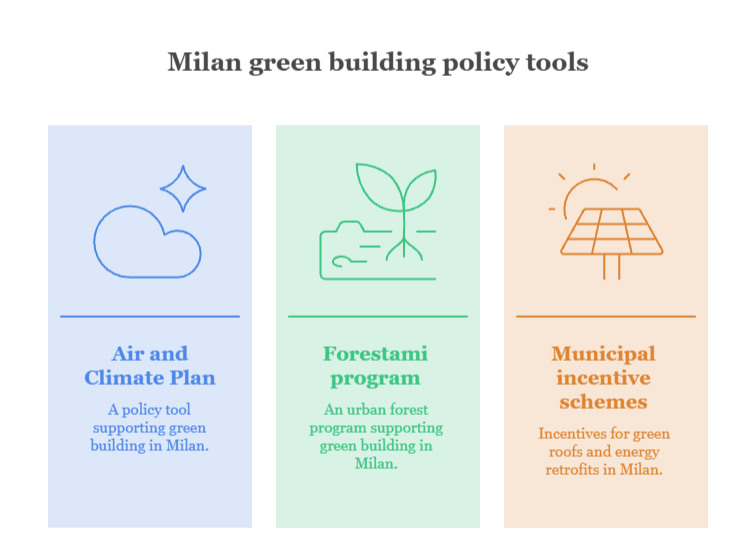
Milan supports green building through three linked policy tools:
- The Air and Climate Plan
- The Forestami urban forest program
- Municipal incentive schemes for green roofs and energy retrofits
The Air and Climate Plan (Piano Aria e Clima)
Under its Air and Climate Plan, the Comune di Milano commits the city to cutting CO₂ emissions by 45% by 2030. The plan also includes reaching full carbon neutrality by 2050. It explicitly includes these tools for reducing urban heat islands and improving air quality:
- Green roofs
- Green walls
- De-paving
- Urban forestation
The plan also designates 'Carbon Neutral Areas,' as the European Institute of Innovation and Technology reported. These are redevelopment zones where new buildings must produce no net carbon by 2030. This includes construction and transport.
It further calls for more than 60,000 square metres of photovoltaic panels on public buildings.
Forestami: 3 million trees by 2030
The Forestami project aims to plant 3 million new trees across the Milan metropolitan area by 2030. Since the 2018–2019 agricultural season, 611,459 trees and shrubs have been planted and 38 hectares of new green spaces created.
The program is directly referenced in Milan's Air and Climate Plan as a tool for emissions reduction and heat island mitigation. It treats green roofs and city tree planting as parts of the same green infrastructure network.
Municipal incentive schemes for green roofs
Between 2013 and 2016, the Municipality of Milan mapped every roof in the city through the EU-funded Decumanus project. The city found 32 million square metres of roof in total, of which 970,000 were already green. Another 13 million square metres are the right shape for greening.
Bando BE2 offered grants for green roofs and energy refurbishment on private buildings. It covered up to 70% of the cost, but the scheme has since closed.
What are the real costs of Milan's green building projects?
Green building in Milan involves significant upfront investment. Intensive living façades command the highest prices.
Source: Greenroofs.com, 2015
The €1,950 per square metre construction cost covers the entire tower. This includes the cantilevered terrace structures required to support mature trees. But it does not cover the green component in isolation.
Annual maintenance covers:
- Heating
- Water irrigation
- 24/7 reception
- Air conditioning
- Security
- Façade cleaning
- CCTV
- Green area maintenance
So, only a portion is horticultural.
The gap between construction cost and sale price is the commercial story here. Units sell for roughly five times what they cost to build. This reflects design complexity, certified green credentials, and the Porta Nuova location.
What makes Milan's vertical garden buildings technically complex?
A living façade like Bosco Verticale is not just a building with plants on it. It needs its own structural, horticultural, and maintenance systems.
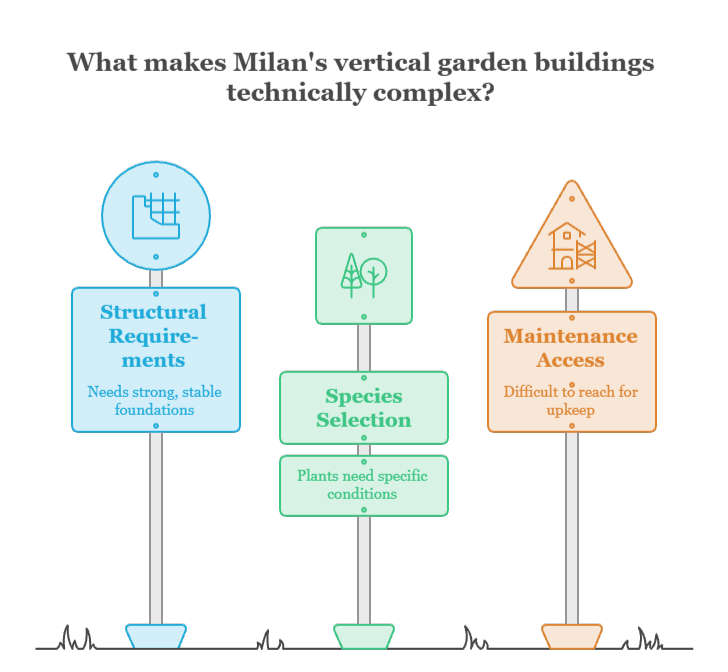
Structural requirements
The vegetation on Bosco Verticale's cantilevered terraces sits roughly 2.3 to 3.1 metres from the external wall. Giacomello's CTBUH study found it covers more than half of each floor's perimeter.
Supporting mature trees at the height needed substantial structural reinforcement. This was designed into the building from the outset. Retrofitting an existing tower to carry similar loads would be a far more complex and costly exercise.
Species selection and irrigation
Choosing the plants for Bosco Verticale took three years of work with botanists and ethologists. They were pre-cultivated in nurseries and chosen for their ability to handle wind exposure and limited soil depths. Selection also accounted for microclimatic variation across different façade orientations.
Each tower has a dedicated irrigation system built into its building services.
Maintenance access and ongoing costs
It was necessary to provide safe access for pruning, pest control, and plant replacement at height. This included hiring specialist contractors and engineered access systems. These are ongoing demands, not one-off establishment costs.
How does Milan's green building experience compare with Australian cities?
Milan and Australia's major cities are both scaling up green roofs and walls. Their policy starting points differ, however, as do their climates and the results they can expect.
As ABC News reported, the City of Melbourne has identified more than 400 hectares of roof area suitable for green roofs.
Inner-city Melbourne rooftops cover around 880 hectares in total, more than five times the size of Royal Park. Yet mapping reported in 2019 found just 78 green roofs and rooftop gardens in the CBD, covering only 5.4 hectares.
By March 2014, the City of Sydney had recorded more than 98,000 square metres of green roofs and walls. At the time, the council was receiving on average one development application a week that included a green roof or wall component.
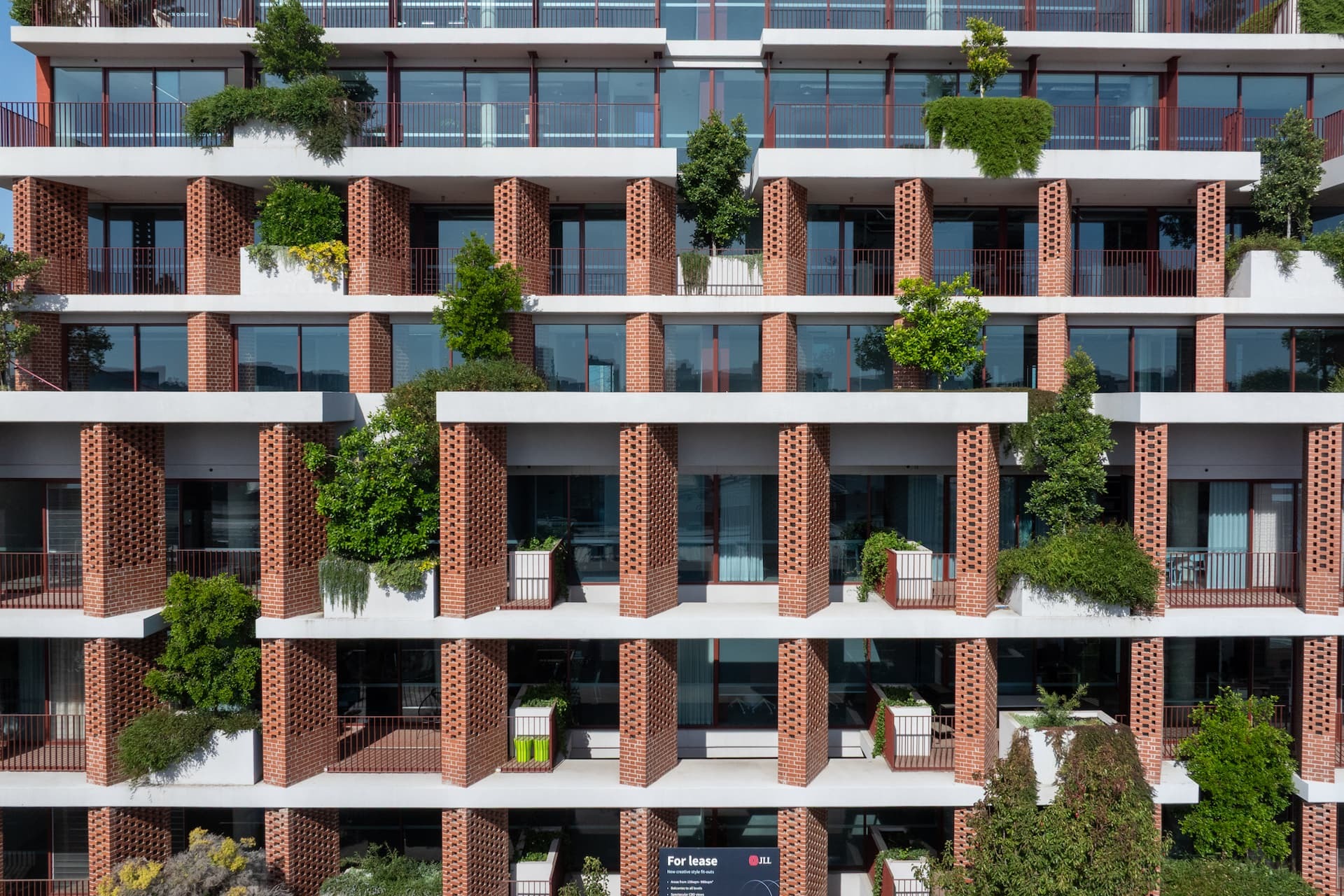
Milan's mapped potential of 13 million square metres, reported by Verde Profilo, rests on the same policy logic as Sydney's approach. Both identify the available area, set standards, then drive uptake through incentives. Both also show that the gap between potential and current installation is large, and that policy is the primary lever for closing it.
Retrofitting a demonstration green roof onto Melbourne's 1 Treasury Place — a project we delivered — cost $2.5 million. Announced in 2019, the Green Our Rooftop project was finally completed in 2024 and launched in February 2025.
This is the kind of exemplar project that Milan has used repeatedly to build momentum and show feasibility. It's publicly funded, performance-monitored, and centrally located.
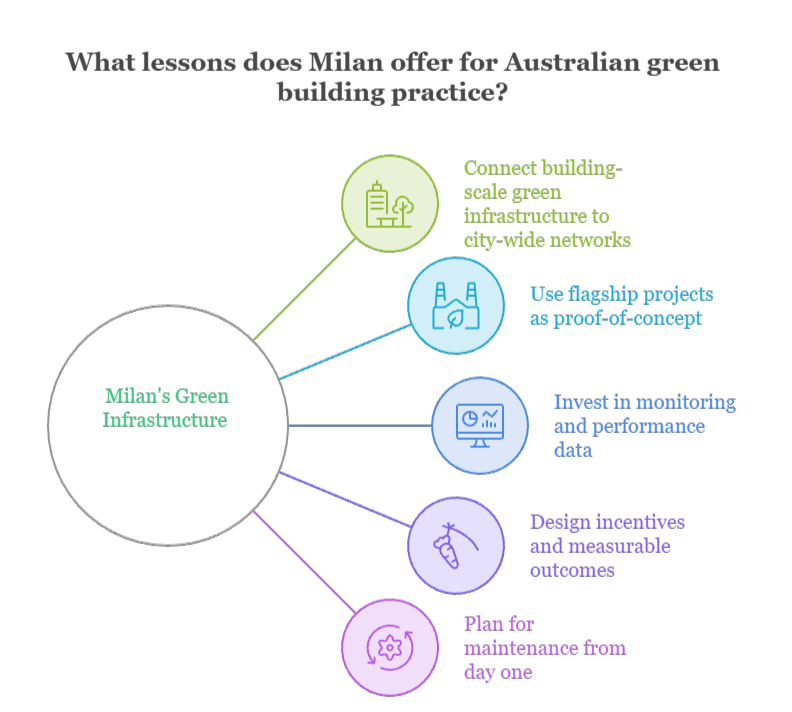
What lessons does Milan offer for Australian green building practice?
Milan's experience offers five lessons for Australian developers, landscape practitioners, and councils.
- Connect building-scale green infrastructure to city-wide networks
- Use flagship projects as proof-of-concept, not the whole strategy
- Invest in monitoring and performance data
- Design incentives around measurable outcomes
- Plan for maintenance from day one
Connect building-scale green infrastructure to city-wide networks
Bosco Verticale sits within Porta Nuova, a 30-hectare regeneration district developed by COIMA. That wider setting (parks, pedestrian zones, cycling infrastructure) amplifies the towers' impact.
Green roofs and walls perform best when connected to street tree networks, parks, and peri-urban green corridors. Australian projects that treat green buildings as one-offs miss the benefits that come from connecting them.
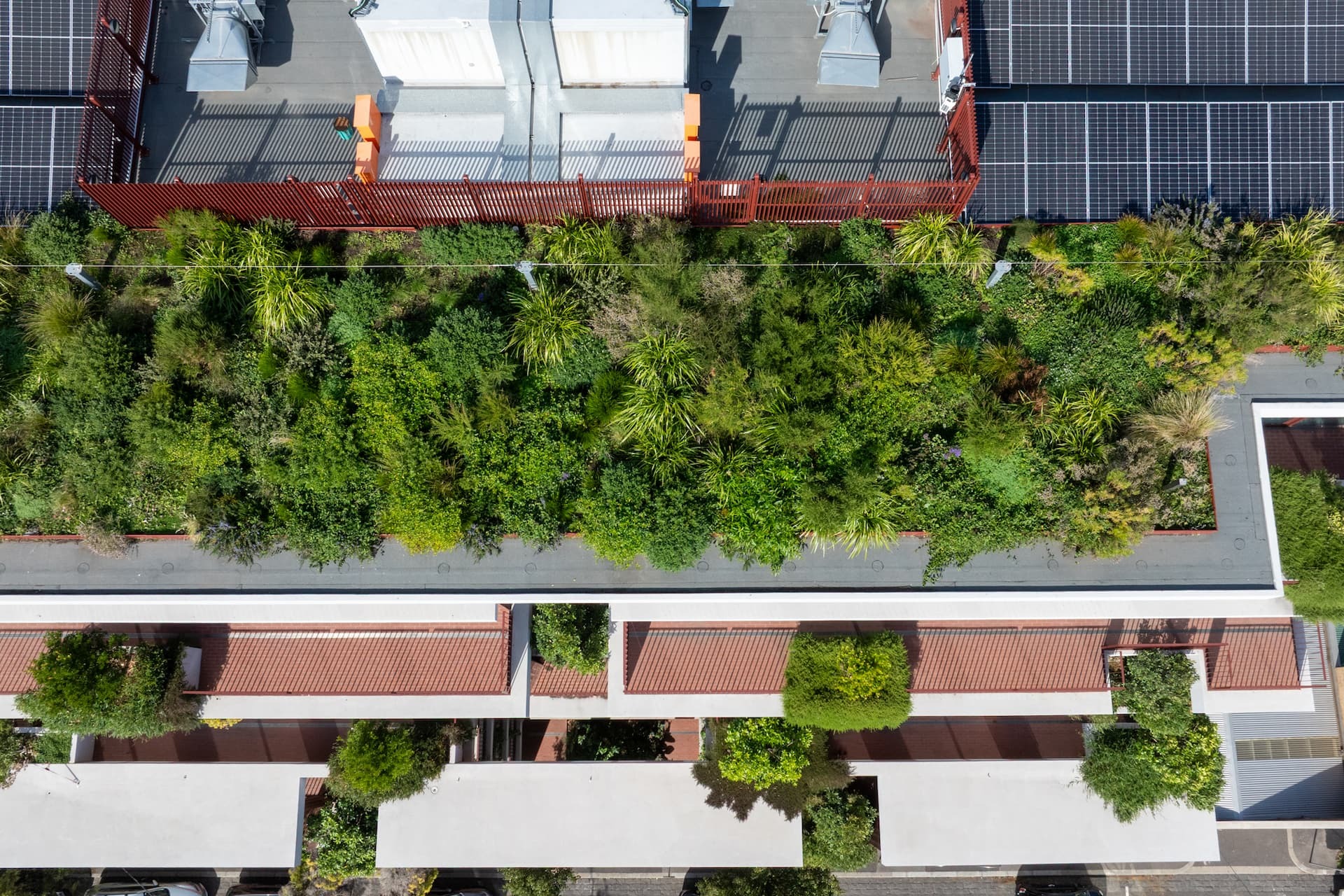
Use flagship projects as proof-of-concept, not the whole strategy
Bosco Verticale is the icon, but Milan's real ambition lies in Forestami and the rooftop incentive schemes. Underpinning all of it is the city's Air and Climate Plan.
A single high-profile project does not move citywide temperatures or air quality metrics. Basic green roofs, installed widely, beat one landmark tower.
Invest in monitoring and performance data
Under CLEVER Cities, Milan set up three test sites in the city's south-west, documented by the INTERLACE Hub. Each trialled green solutions designed with local residents, and measured the results from day one.
The transferable practice is contractual. Put monitoring in the design contract, and start measuring before the roof goes on. Without a baseline, post-occupancy data cannot demonstrate anything.
Design incentives around measurable outcomes
Milan's Bando BE2 tied its grants to defined thresholds. Applicants had to insulate at least 40% of a building's envelope, or meet minimum coverage requirements for a green roof.
Sydney's Green Roofs and Walls Policy sets a minimum vegetation coverage threshold for a roof to qualify as a green roof.
Both approaches give practitioners and developers clear targets to work toward. Vague aspirational policies without quantified thresholds produce slower adoption.
Plan for maintenance from day one
Intensive green façades need ongoing horticultural management, structural inspection, and access systems. Underestimate maintenance and you risk dead plants, damaged façades, and a damaged reputation. Long-term asset management must be priced and contracted before construction starts.
FAQs
What is the green apartment building in Milan called?
Bosco Verticale, or Vertical Forest. It refers to two residential towers of 110 and 76 metres in Milan's Porta Nuova district, completed in 2014. Each apartment includes at least two trees, eight shrubs, and 40 plants per resident.
How much does it cost to buy an apartment in Bosco Verticale?
Units sell for an average of €9,500–€10,000 per square metre against a construction cost of roughly €1,950 per square metre. The premium reflects design complexity, certified green credentials, and the Porta Nuova location.
Can Milan's vertical garden design work in Australian cities?
The core principles — shade, insulation, evaporative cooling, and biodiversity — apply in Australian conditions. University of Melbourne research shows green roofs work in Melbourne's climate.
What does not transfer is the detail: Australian climates are more varied and often more extreme. Plant choice, irrigation, and structural loads must all suit local conditions and native ecology. Treat Milan's plant list and its climate assumptions as a method, not a specification.
What is the Forestami project in Milan?
Forestami is a metropolitan-scale tree planting program targeting 3 million new trees across Milan by 2030. It reports 611,459 trees and shrubs planted since the 2018–2019 season. It's cited directly in Milan's Air and Climate Plan as a tool for climate mitigation, air quality improvement, and quality of life.
About Evergreen Infrastructure
Evergreen Infrastructure has delivered large-scale green infrastructure at landmark Melbourne sites. This includes the Victorian State Treasury Building green roof and the Federation Square biodiversity green roof.
We provide end-to-end service under one specialist firm. This includes consulting, design, project management, and long-term asset management. Our offering includes O&M manuals, biodiversity health monitoring, and compliance reporting.
We work across health, education, government, aged care, and commercial sectors. Our affiliations include:
- The Australian Institute of Horticulture (AIH)
- Green Roofs for Healthy Cities
- Landscaping Victoria
- The Australasian Green Infrastructure Network (AGIN)
- World Urban Parks
- Therapeutic Horticulture Australia (THA)
Contact us to discuss your next project.
{{cta}}
We create green oases in urban settings
We'd love to discuss how we can partner to bring innovative, sustainable solutions to your urban environment.