.webp)


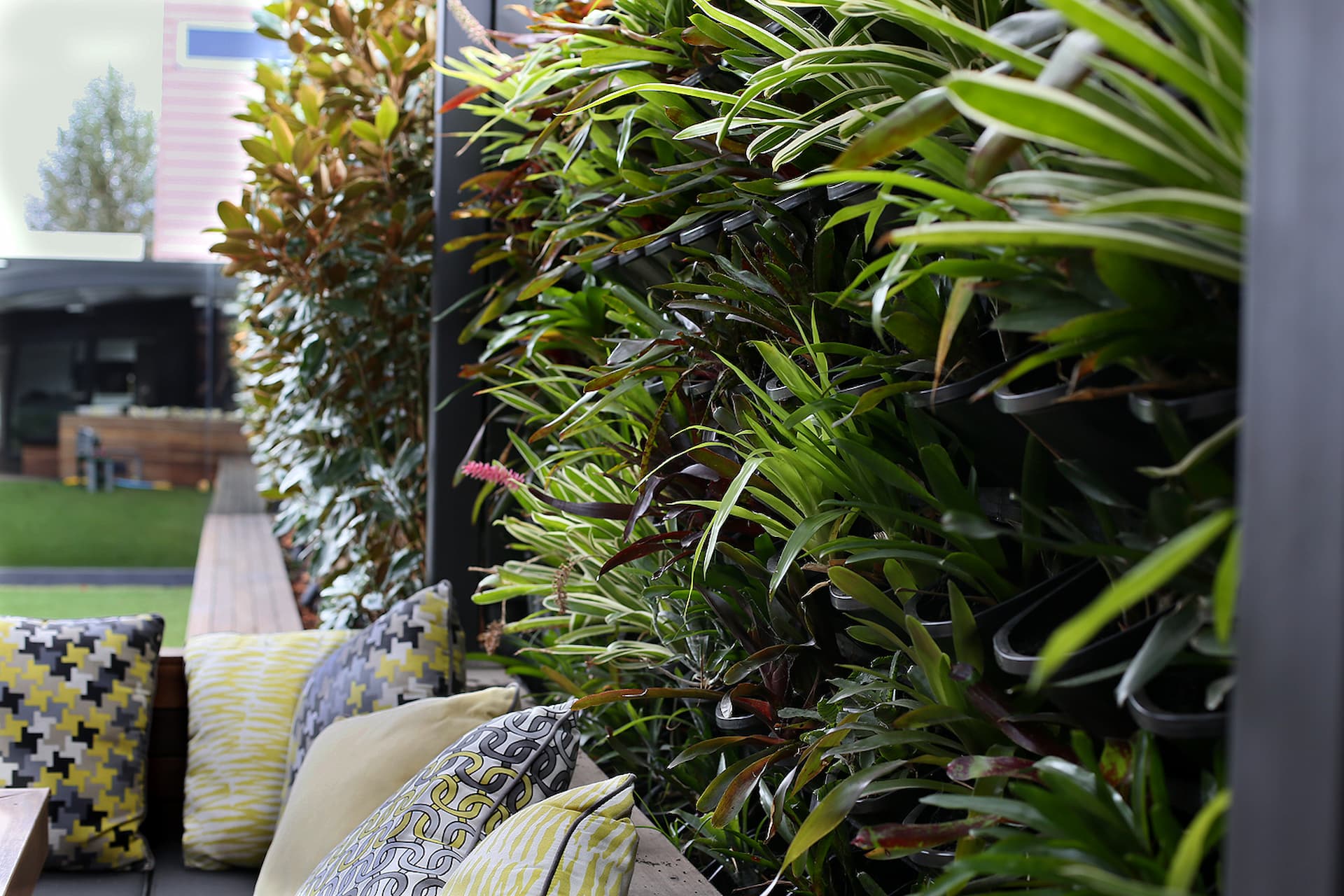
Stormwater management in Australia is governed by state-based frameworks and Water Sensitive Urban Design (WSUD) principles. These are guided by the national policy set out in the National Water Initiative. The goal is to control runoff, remove pollutants, and harvest water for reuse. Nature-based systems help achieve this. They include green roofs, bioretention basins, constructed wetlands, permeable pavements, and green walls.
Stormwater management is the practice of controlling runoff from rain events. The goal is to protect waterways, reduce flooding, and reuse water as a resource.
In Australia, stormwater management is governed by state-based frameworks. Each state sets clear targets for cutting pollution and controlling water flow. This also includes applying Water Sensitive Urban Design (WSUD).
Urban stormwater picks up sediment, nutrients, metals, hydrocarbons, and litter. If it flows untreated into creeks, rivers, and bays, it can harm aquatic ecosystems and water quality.
Climate change is making this problem more urgent. In recent decades, short, extreme rainfall events in Australia have become noticeably more intense in some regions. Read on to learn how stormwater management can help.
What is stormwater management and why does it matter?
Stormwater management covers the planning, design, and operation of systems that control how much runoff there is and how clean it is.
Runoff forms when rain falls on roofs, roads, and other hard surfaces. Unmanaged stormwater runoff is what causes problems. It's a major source of diffuse pollution in Australian cities.
Traditional drainage systems were built to move water away from properties quickly. However, this approach increases peak flows and erodes stream channels. It also delivers untreated pollutants to receiving waters.
According to the Insurance Council of Australia, extreme weather events cost around $4.5 billion in insured losses each year. Floods, storms, and bushfires are the main culprits.
Modern stormwater management does three things at once. It controls peak flows, removes pollutants, and harvests water for reuse.
This multi‑objective approach increasingly underpins Australian stormwater and integrated water management policy. Note that specific regulatory requirements still vary by state and council.
How does stormwater management work in Australia?
Australian stormwater management is governed mainly by state and local frameworks.
State agencies set stormwater and water-quality objectives. Local councils and water utilities enforce these rules through planning and development approvals. National water and environmental policies guide their work.
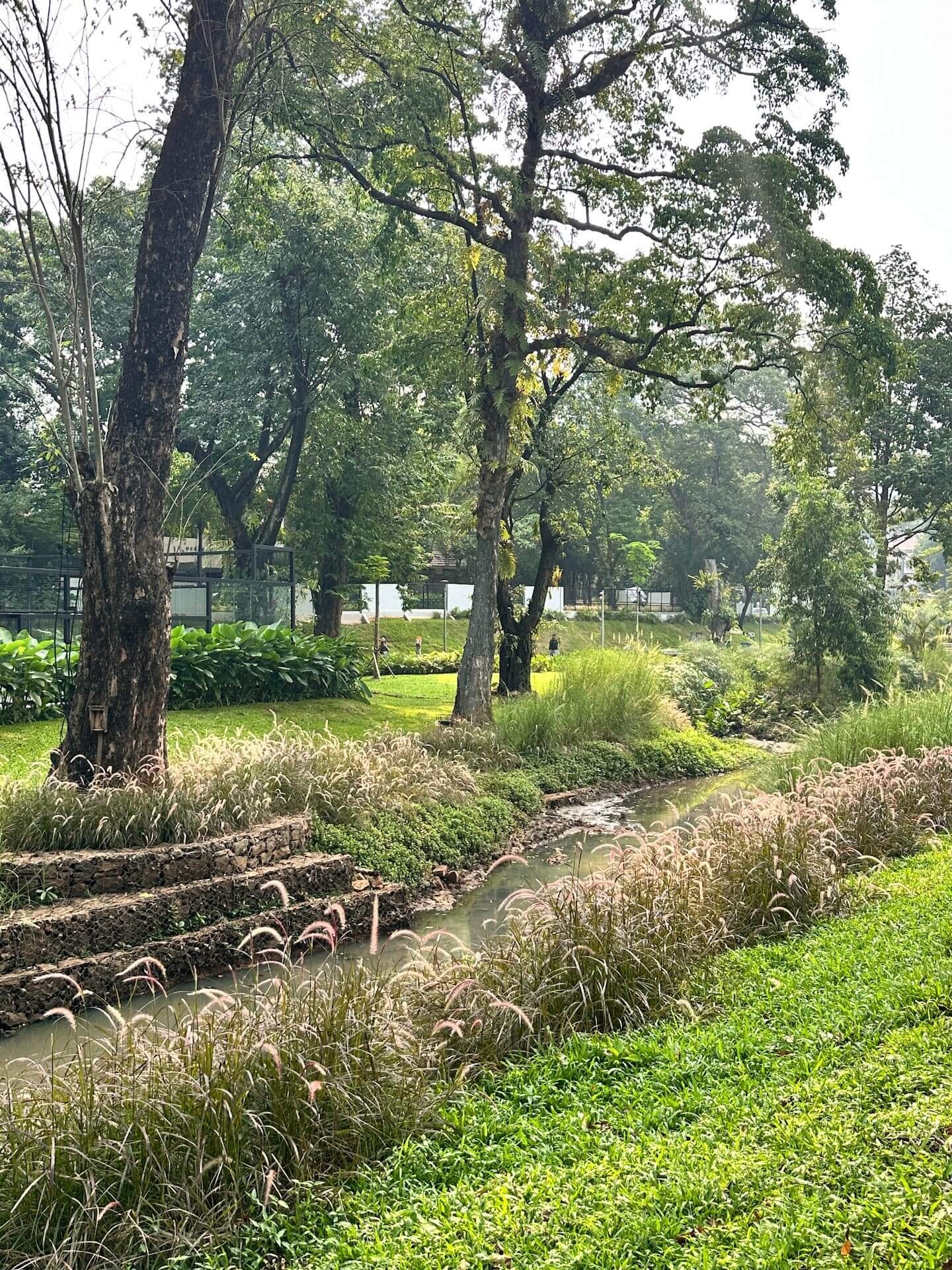
Water Sensitive Urban Design (WSUD) is the overarching framework. It was first introduced to Australia to integrate stormwater management into the planning and design of urban areas.
WSUD treats stormwater as a resource rather than waste. It prioritises distributed, vegetated systems as primary treatment tools. These include bioretention basins, wetlands, green roofs, and swales.
The national policy context
The National Water Initiative (NWI) is Australia's national blueprint for water reform. It was adopted by the Council of Australian Governments in 2004.
The National Water Initiative sets high-level principles for sustainable and efficient water use. These principles have informed state and territory policies.
State frameworks then develop integrated water management and WSUD guidelines. This includes the specific stormwater standards and pollutant targets for developers and designers.
What is a stormwater management program?
A stormwater management program is a coordinated, structured plan. It shows how a site, precinct, or catchment will meet stormwater quantity and quality objectives. It typically covers:
- Site assessment
- Treatment train design
- Modelling
- Maintenance
In Victoria, planning rules require certain applications to meet stormwater standards. These rules include:
- Clause 53.18
- The Urban Stormwater – Best Practice Environmental Management (BPEM)
In NSW, most councils require a stormwater management plan once a site's impervious area exceeds a set threshold. The plan must show that it meets local stormwater targets.
Modelling can be done with MUSIC (Model for Urban Stormwater Improvement Conceptualisation). This tool simulates how combinations of treatment measures perform against pollutant targets. These measures include bioretention, wetlands, green roofs, etc.
What WSUD systems can meet stormwater targets?
Common nature-based WSUD systems used to meet stormwater targets in Australia include:
- Green roofs
- Bioretention systems/rain gardens
- Constructed wetlands
- Permeable pavements
- Green walls
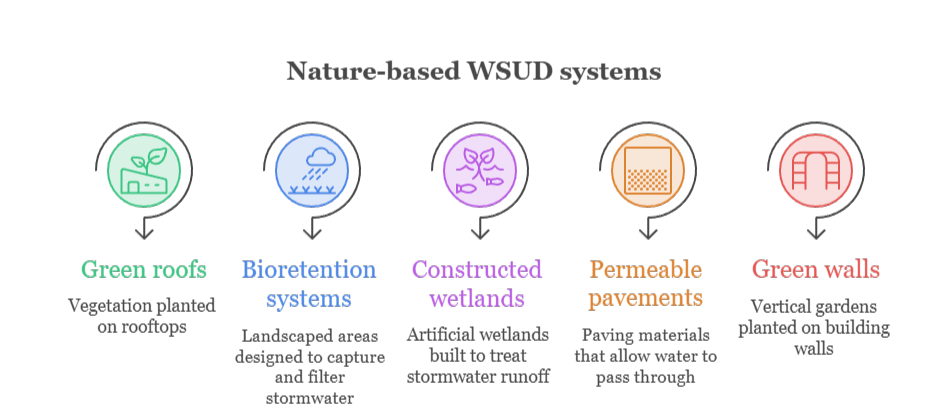
The right combination depends on various factors. These include site area, catchment size, structural constraints, and regulatory targets.
Green roofs
A green roof retains rainfall in its substrate and releases it slowly through evapotranspiration. This substantially reduces runoff and peak flows.
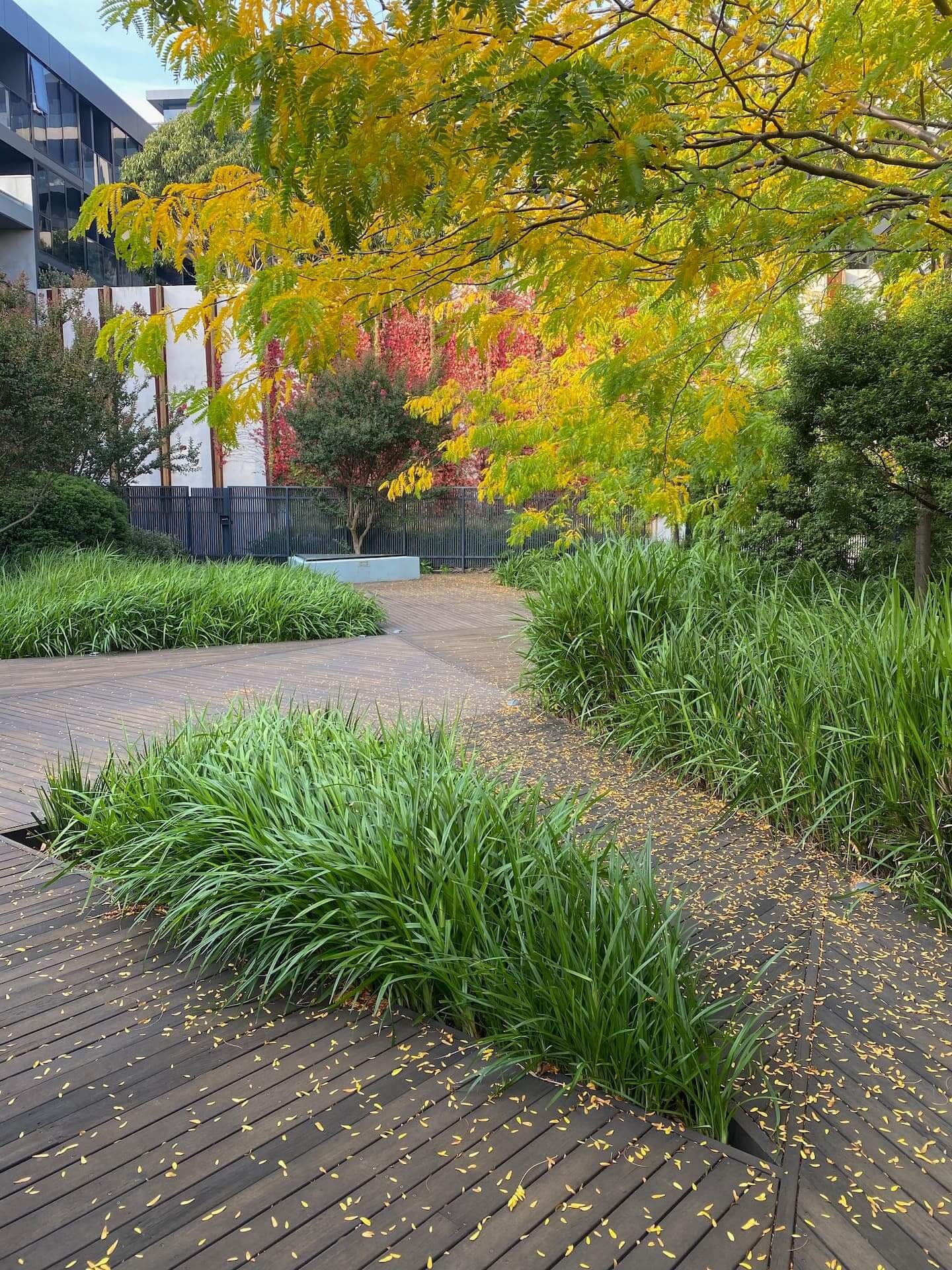
Case studies in temperate climates show peak flow reductions of around 50% for design storms. Reductions can reach up to 90% for lower-intensity events with longer dry periods between storms.
A global 2022 review by Versini et al. reported the average water retention capacity of a green roof to be around 62%.
Substrate depth is a critical design variable. Green roofs with 15 cm of substrate retain more stormwater and reduce peak runoff more than those with 10 cm. This finding is documented in the Journal of Environmental Management (2021).
In Australia, extensive green roofs cost $155–$465 per square metre and intensive green roofs cost $420–$835 per square metre. For a 100 m² roof, the total project cost ranges from $30,000 to $90,000. This price includes structural reinforcement, irrigation, design fees, and ongoing maintenance.
Bioretention systems and rain gardens
Bioretention systems filter runoff through engineered growing media and vegetation. This, in turn, removes sediments, nutrients, and metals.
As water passes through the filter media, particles are trapped near the surface. Plant roots and growing media microbes then absorb and break down dissolved nutrients.
They are among the most widely specified WSUD elements in Australia. The reason for this is that they are compact. They can also be retrofitted as rain gardens into streetscapes and car parks.
Performance depends heavily on the filter media, system depth, and choice of plants. These factors affect both pollutant removal and how much runoff is retained.
The surface layer captures incoming sediment and litter. That's why regular inspection and occasional replacement of the top media are necessary. Doing so maintains the design infiltration rate.
Constructed wetlands
Constructed wetlands are engineered systems that filter stormwater. They do this through:
- Sedimentation
- Filtration systems
- Plant uptake
- Microbial processes
Take the Sydney Park stormwater treatment system as an example. According to the Landscape Performance Series (2019), it was designed to harvest as much as 850 million litres of stormwater.
Treatment in wetland 4 at Sydney Park achieved a 68% reduction in copper, a 50% reduction in nickel, and an 85% reduction in nitrogen. Zinc was also reduced by 68%.
The Derwent Estuary Program's 2012 manual sets a minimum size for wetlands. At the Hobart reference site, this means the wetland must cover an area equal to 3% of the impervious catchment draining into it.
This is the size needed to meet best-practice targets for reducing pollutants. For other locations in Tasmania, this reference size is adjusted using a correction factor based on mean annual rainfall.
Permeable pavements
Permeable pavements allow rainfall to infiltrate through surface voids into underlying storage layers.
Boogaard, Lucke, and Beecham (2014) tested 55 permeable pavements in Australia and the Netherlands after 1–12 years in service. Over 90% still infiltrated water to the required design or regulatory standards.
Previous research cited in this paper examined permeable pavement infiltration rates. The research found that those rates can drop to 10–25% of their original levels within about 12 years. This highlights the importance of planning for maintenance.
Vertical green systems
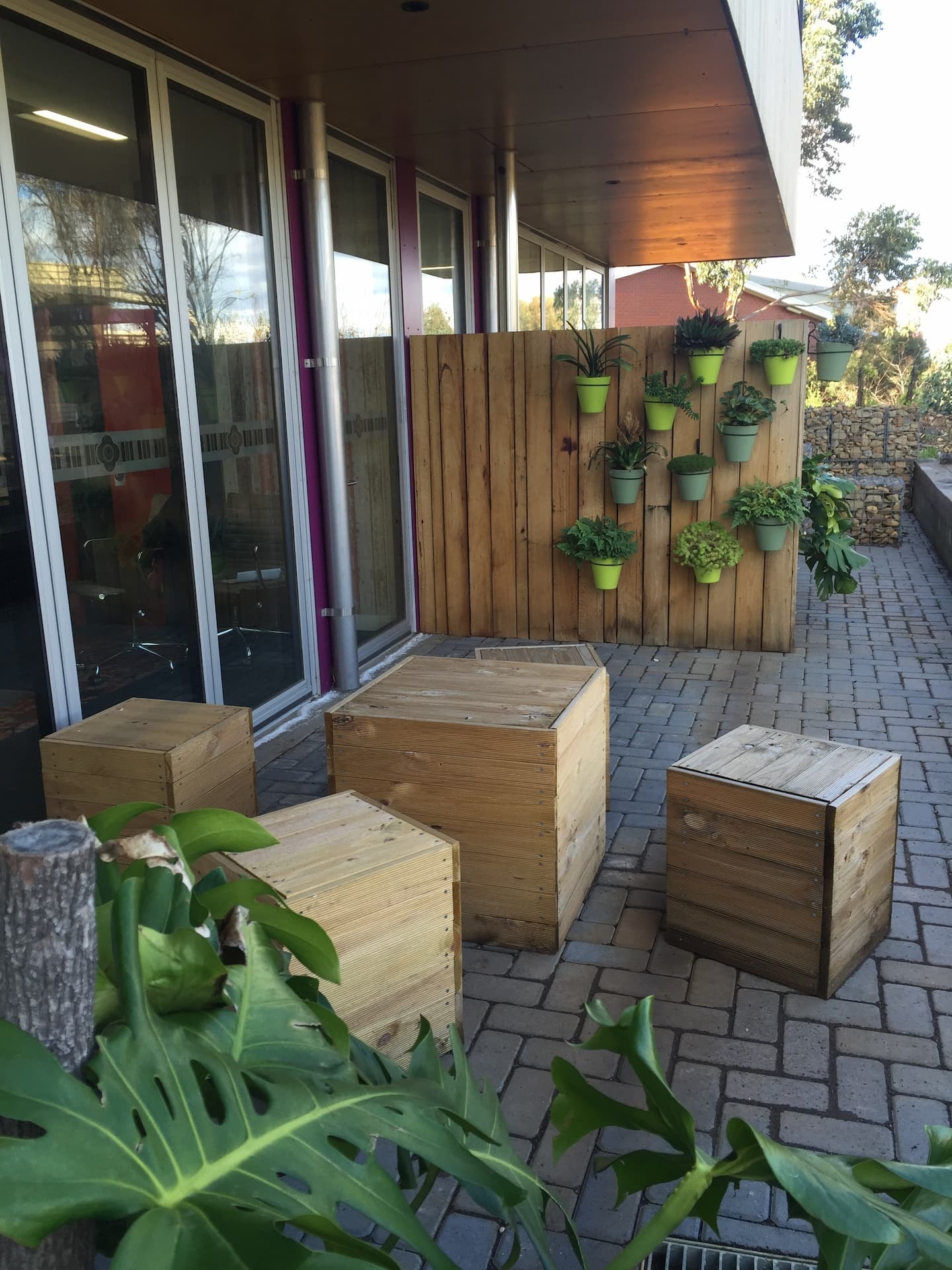
Vertical green systems include green walls and façade greening. They are an emerging stormwater tool.
Moravej et al. (2025) studied vertical green systems with on-site storage on high-density buildings. They found these systems can cut annual stormwater discharge by more than 60% in some cases, depending on climate and system size.
This makes vertical green systems particularly relevant in dense urban sites. This is especially the case where ground‑level space for conventional bioretention is limited.
How does stormwater harvesting work in Australia?
Stormwater harvesting is the capture, storage, treatment, and reuse of runoff. It's used for non-potable purposes such as irrigation, toilet flushing, and cooling. Under advanced treatment, it can also be used for potable augmentation.
Melbourne Water issues stormwater harvesting licences. Schemes must be designed within a risk-based framework. The level of treatment required is proportional to the intended use and the degree of human contact with the harvested water.
Stormwater harvesting reduces reliance on the potable supply. It also supports urban green infrastructure during dry periods. It can also improve waterway health by reducing the volume and frequency of runoff discharged to receiving waters.
Stormwater harvesting does not remove the need for on-site treatment. Source catchment quality, pollutant loads, and end-use risks must all be assessed and managed.
What pollutants does urban stormwater carry?
Untreated urban stormwater carries pollutants that harm aquatic ecosystems. O'Brien et al. (2019) found that in Southeast Queensland, organic nitrogen made up 62–76% of total nitrogen in urban stormwater runoff samples. In the same study, approximately 16% of the total nitrogen was nitrogen oxides and around 9% was ammonia.
Common pollutant categories include:
- Sediments — increase turbidity, smother benthic habitats, transport attached metals and hydrocarbons
- Nutrients (nitrogen and phosphorus) — trigger algal blooms, deplete dissolved oxygen, alter aquatic communities
- Heavy metals (zinc, copper, lead) — accumulate in sediments and biota from vehicles, roofing materials, and roads
- Hydrocarbons — from vehicle fuels, tyre wear, and lubricants
- Gross pollutants (litter >5 mm) — anthropogenic debris entering waterways from streets and car parks
- Microplastics and emerging contaminants — detected in monitoring data from modern urban catchments

Treatment systems must address both particulate and dissolved fractions. Strategies built to remove coarse sediment may not remove organic nitrogen or dissolved metals.
FAQ
Can green roofs count as stormwater treatment for planning compliance?
Green roofs are recognised as WSUD elements in Victorian, NSW, and Queensland guidelines. They must be designed to deliver measurable runoff retention and peak flow attenuation.
Their contribution must be quantified through appropriate modelling tools. These are typically pre/post runoff calculations or dedicated green roof calculators. This is necessary because MUSIC may underestimate green roof stormwater retention performance.
Many factors can affect how much credit a green roof will receive in a stormwater management plan. These include substrate depth, drainage layer specification, and vegetation.
How often do stormwater systems need to be maintained?
Maintenance frequency depends on the system type. Gross pollutant traps in commercial catchments typically need monthly inspections. They should be cleaned out after major storm events, and at least once a quarter, depending on pollutant load and catchment size.
Bioretention systems should be inspected two to three times a year, as well as after major storm events. Checks should cover inlets, vegetation health, and filter media condition.
Green roofs require seasonal checks of drain inlets, outlets, and vegetation cover.
Permeable pavements in high-traffic areas should be vacuum-swept every three to six months. Restorative cleaning should be carried out as needed when infiltration rates decline.
What is MUSIC modelling and when is it required?
MUSIC stands for Model for Urban Stormwater Improvement Conceptualisation. It's the industry-standard water quality modelling tool for WSUD design in Australia. It shows how treatment devices perform against local rainfall and pollution targets over time.
A stormwater management plan using MUSIC is required for most medium and large developments in Victoria and NSW. Specific thresholds vary by council and development scale.
What funding is available for stormwater green infrastructure projects?
The Australian Government's Urban Rivers and Catchments Program is available. It funds small, medium, and large-scale projects that re-naturalise urban waterways. This includes turning concrete channels into living streams and using natural systems, such as constructed wetlands, to filter stormwater.
Some regional water authorities offer offset arrangements for developments. They also give financial incentives for projects that treat stormwater at a catchment scale. Melbourne Water in Victoria, for example, runs schemes that recognise catchment-scale stormwater outcomes.
NSW councils may levy a stormwater management service charge on residential properties. This charge can be up to $25 per year and helps fund local stormwater infrastructure. However, from July 2026, this charge will transfer from water bills to general rates.
Building a water-sensitive future for Australian cities
Stormwater management is no longer just about moving water away from buildings. It's about treating it as a resource.
Extreme rainfall events are getting more frequent and intense. Nature-based WSUD solutions offer a proven way to meet regulatory targets. They do so while improving urban liveability at the same time.
Getting the design right from the start makes all the difference. Choosing the correct substrate depth, filter media, and system sizing is key. This is what separates a system that merely ticks a compliance box from one that delivers lasting value.
Are you planning a development and want to explore how green infrastructure can help you meet stormwater targets? Evergreen Infrastructure can help.
We will guide you through the design, cost, and compliance process from concept to completion. Get in touch with our team today to discuss how a tailored green roof or WSUD solution can work for your site.
{{cta}}
We create green oases in urban settings
We'd love to discuss how we can partner to bring innovative, sustainable solutions to your urban environment.